Washington Republicans reverse war powers vote after Trump confrontation
Tap title to read story
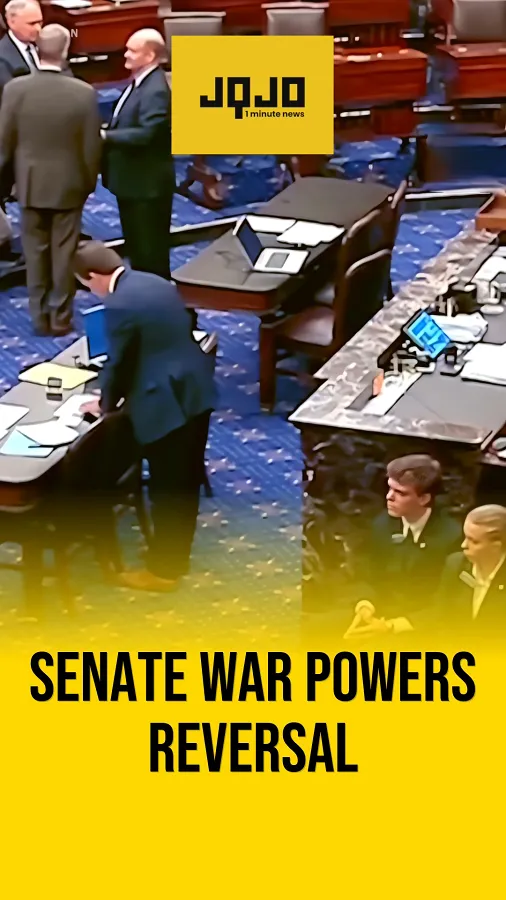
Senate Republicans held an emergency late-night vote Wednesday in Washington to reverse their previous support for a war powers resolution that had passed the chamber one day earlier. The original measure was intended as a rebuke of the Trump administration’s handling of the ongoing military conflict in Iran. According to attendees, President Donald Trump spent hours in a closed-door Capitol luncheon pressuring GOP senators, including a reported shouting match with Senator Bill Cassidy. Trump also canceled a planned bipartisan housing affordability bill signing, insisting he would not sign it without passage of his SAVE America Act on voter citizenship requirements.
More context
Timeline
- One day earlier Senate passes war powers rebuke
- Earlier Wednesday Trump scheduled housing bill signing
- Earlier Wednesday Trump cancels planned signing ceremony
- Wednesday Trump demands SAVE America Act support
- Wednesday Trump berates Republican senators over resolution
- Wednesday Trump reportedly shouts at Senator Cassidy
- Late Wednesday Republicans hold emergency reversal vote
- Late Wednesday enough GOP senators flip positions
Why it matters
The reversal vote could impact U.S. military involvement in Iran. This might affect your family if you have relatives in the armed forces. It also could influence your vote in future elections. Keep an eye on how your senators voted.
JQJO Editorial Desk · Human reviewed · AI assisted. Report a correction.