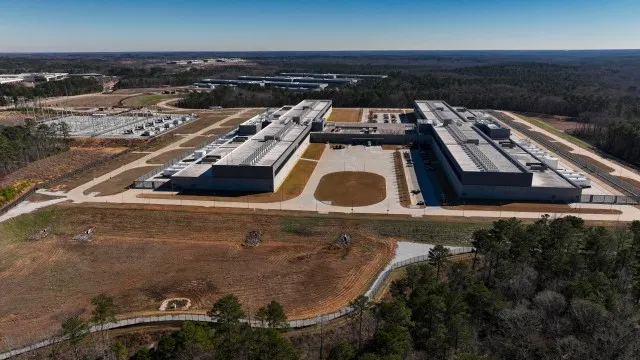
Multiple U.S. Cities Temporarily Halt Data Center Development
Tap title to read story
Geary County, Kansas: Local authorities enacted temporary moratoria this month on new data center and related energy storage developments, with Geary County approving a one-year hold at its June 22 meeting. Other municipalities, including Peosta, Fort Payne, and Carbondale, similarly placed six-month or one-year pauses to allow study before permitting projects.
Officials said these pauses will allow planning commissions and city staff to meet regularly, gather university and expert input, hold public hearings, and draft zoning or regulatory language; Peosta’s council voted unanimously this week, Fort Payne held a packed public hearing Tuesday night, and Carbondale officials cited May community concerns as prompting its one-year moratorium.
More context
Timeline
- 1. May: Residents in Carbondale raise concerns about potential data center impacts.
- 2. Carbondale City Council passes a one-year moratorium following May hearings.
- 3. June 22: Geary County planning director presents and commission approves a one-year moratorium.
- 4. This week: Peosta City Council unanimously adopts a six-month moratorium during a crowded meeting.
- 5. Fort Payne approves a six-month moratorium and holds a public hearing with roughly 100 attendees.
Why it matters
Data centers can impact local communities. They can bring jobs, but also raise concerns about energy use and infrastructure strain. If you live in these areas, your voice matters. Attend public hearings or write to your local council.
Sources
JQJO Editorial Desk · Human reviewed · AI assisted. Report a correction.