Midwest primaries drive increase in absentee, early voting
Tap title to read story
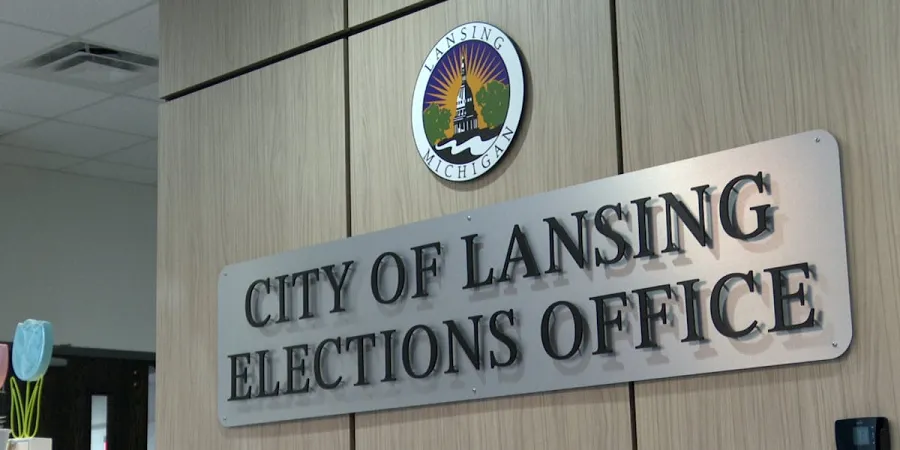
Lansing election officials prepared 22,000 absentee ballots weeks before the August primary as volunteers and clerks processed mail ballots and drop-box logistics. This week Michigan jurisdictions, including Detroit, began mailing absentee ballots — Detroit expects about 99,000 — while local offices activated early-voting options expanded by 2018 and 2022 reforms.
Monona installed a new ballot drop box ahead of the November election, and Minnesota opened early voting starting Friday, June 26; both moves aim to accommodate higher turnout in competitive gubernatorial and U.S. Senate primaries. Officials including Lansing City Clerk Chris Swope and Ingham County Clerk Barb Byrum said they expect increased participation and are staffing accordingly.
More context
Timeline
- 1. 2018 — Michigan voters approve no-reason absentee voting statewide.
- 2. 2022 — Election reforms expand early voting opportunities and procedures.
- 3. Mid June 2026 — Jurisdictions begin preparations and mailings of absentee ballots.
- 4. June 26, 2026 — Minnesota opens early voting for its primary.
- 5. Weeks before August 2026 — Lansing prepares 22,000 absentee ballots; Monona installs drop box ahead of November.
Why it matters
The surge in absentee and early voting in the Midwest may affect your voting experience. If you're in Michigan or Minnesota, you now have more options and time to cast your vote. Check your local office for early voting or mail-in ballot details.
Sources
JQJO Editorial Desk · Human reviewed · AI assisted. Report a correction.