South Carolina GOP runoff features Trump dual endorsement
Tap title to read story
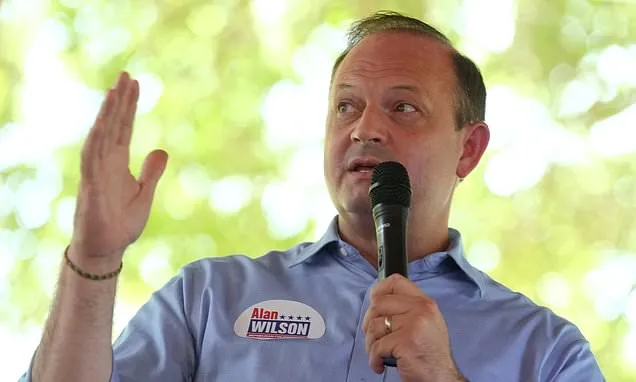
Columbia, South Carolina. Voters returned to the polls Tuesday for a Republican gubernatorial runoff between Lieutenant Governor Pamela Evette and Attorney General Alan Wilson after no candidate secured a majority in the June 9 primary; President Donald Trump had initially endorsed Evette and then announced on Friday he would endorse both contenders.
The winner will advance to the November general election in what is the state's first open governor's race since 2010, and candidates emphasized county-level strength and grassroots outreach this week; counties such as Beaufort and Jasper favored Evette while Wilson showed pockets of support in Hampton and Colleton, and campaign advertising intensified.
More context
Timeline
- 1. 2010: Last open South Carolina gubernatorial race occurred; sets historical context.
- 2. 9th June: Primary election held; no candidate achieved a majority, triggering a runoff.
- 3. Post-primary: President Trump initially endorsed Lt. Gov. Pamela Evette.
- 4. Late campaign: Alan Wilson gained momentum in several Lowcountry counties following the primary.
- 5. Friday before runoff: Trump announced dual endorsements; voters returned to polls Tuesday for the runoff.
Why it matters
This runoff impacts your community. The governor's decisions can affect taxes, education, and local services in South Carolina. If you're a voter, check your county's results. It's a chance to see how your neighbors voted and what issues might matter most to them.
Sources
JQJO Editorial Desk · Human reviewed · AI assisted. Report a correction.