Strait of Hormuz reopens as U.S. lifts blockade
Tap title to read story
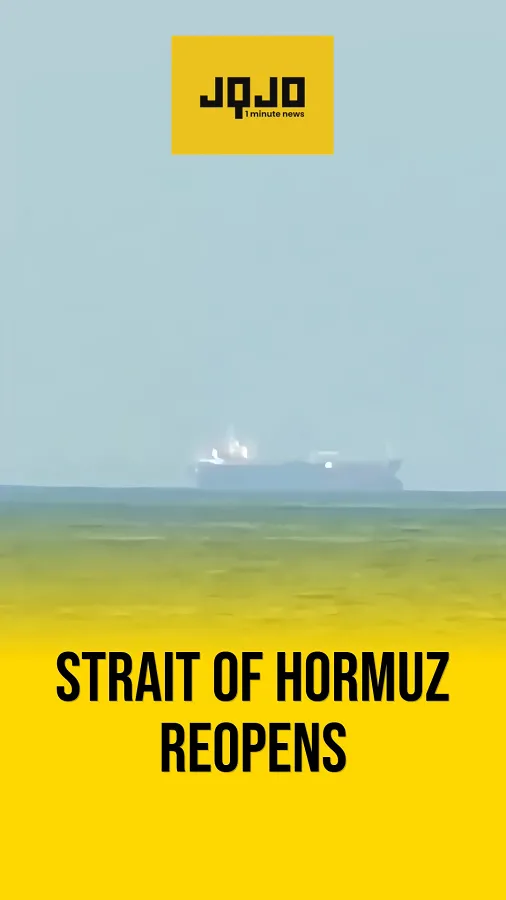
The Strait of Hormuz, a key conduit for global oil and natural gas shipments, reopened to commercial traffic on June 19, 2026, after the United States ended a 110-day naval blockade of Iranian ports. The closure, in place since February, had disrupted tanker movements and contributed to a historic energy crisis and market volatility. Maritime intelligence data show major fleets, including those of Italy-based Grimaldi Group, resuming transits early Thursday. The reopening follows a memorandum of understanding between the United States and Iran to ease maritime tensions, though regional security risks persist as governments and analysts monitor whether normal shipping patterns will hold.
More context
Timeline
- February 2026 U.S. imposes Iranian port blockade
- February 2026 Tankers stranded, shipments severely disrupted
- Spring 2026 Energy markets experience historic price volatility
- Early June 2026 U.S., Iran negotiate maritime de-escalation
- Mid June 2026 Memorandum of understanding reportedly finalized
- June 19 2026 U.S. ends 110-day Hormuz blockade
- June 19 2026 Major shipping fleets resume transits
- Today Observers assess sustainability of renewed traffic
Why it matters
The Strait of Hormuz reopening affects your wallet. It's a key route for oil and gas, and its closure spiked energy prices. With it open again, you might see relief at the gas pump and on your utility bills. Keep an eye on those numbers.
JQJO Editorial Desk · Human reviewed · AI assisted. Report a correction.