United States and Iran finalize interim peace accord
Tap title to read story
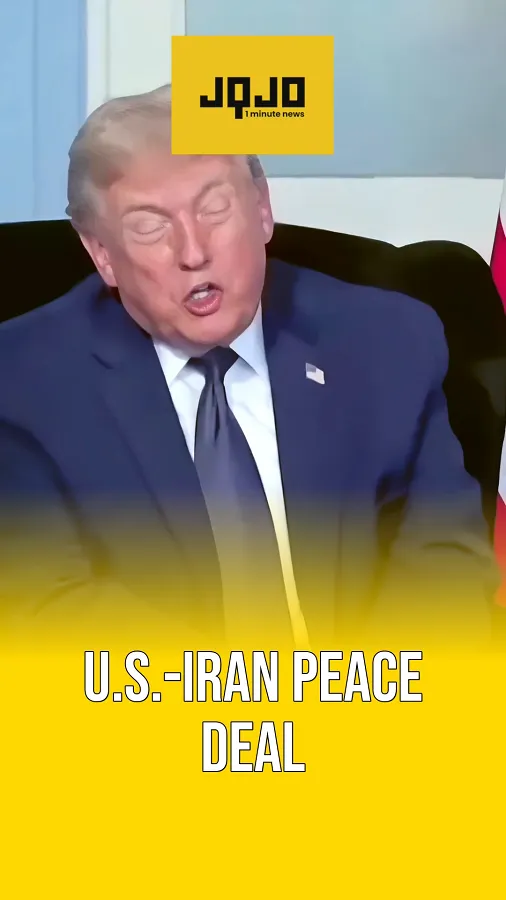
The United States and Iran have agreed on the text of an interim peace accord aimed at ending nearly four months of active warfare in the Middle East and fully lifting the naval blockade of the Strait of Hormuz. Details emerging Wednesday indicate the United States Treasury Department will grant broad sanctions waivers for Iranian crude oil, petrochemicals, and related financial services. In exchange, Washington and regional allies will create a multibillion-dollar fund for Iran’s post-war reconstruction. The draft sets a 60-day deadline to negotiate a permanent treaty and outlines unresolved disputes over future transit fees in the Strait of Hormuz.
More context
Timeline
- Nearly four months ago, active regional warfare begins
- Wednesday morning, draft accord details disclosed publicly
- Wednesday morning, sanctions waiver framework outlined
- Upon electronic signing, blockade lifting measures commence
- Upon electronic signing, sixty-day treaty talks begin
- Final drafting hours, Hormuz transit fee dispute escalates
- During G7 summit, Trump rejects Hormuz toll proposal
- Upcoming, formal signing delegation led by Vance
Why it matters
This peace accord could mean stability in the Middle East, impacting oil prices. If sanctions are lifted, expect lower gas prices at the pump. Keep an eye on your local gas stations in the coming weeks.
JQJO Editorial Desk · Human reviewed · AI assisted. Report a correction.