Ohio Governor urges abolition of state's death penalty
Tap title to read story
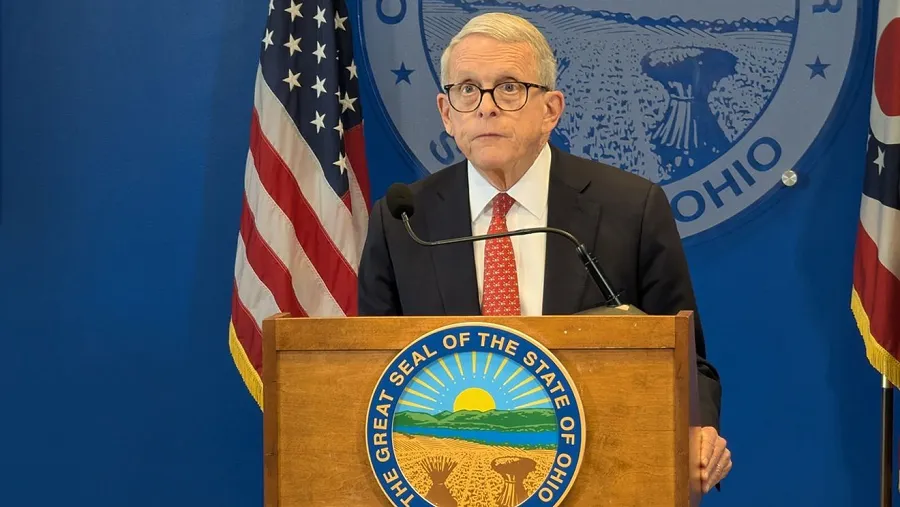
Columbus, Ohio — On Tuesday Gov. Mike DeWine urged the Ohio Legislature to abolish the state's death penalty, saying at a June 16 press conference that he no longer believes capital punishment deters murder and that the moral justification he once held no longer exists; he recalled co-sponsoring the 1981 reinstatement of the penalty.
DeWine asked lawmakers to act or allow a public vote, noting Ohio has not carried out an execution since 2018 and that scheduled execution dates commonly face more than two-decade delays; former Attorney General Dave Yost has criticized the effective moratorium, and officials now face possible legislative or ballot options in the near term.
More context
Timeline
- 1. 1980: Mike DeWine elected to Ohio State Senate.
- 2. 1981: DeWine co-sponsored legislation reinstating Ohio's modern death penalty.
- 3. 2018: Ohio performed its most recent execution.
- 4. 2019: DeWine became governor and started postponing executions.
- 5. 2024, June 16: DeWine publicly called for abolition of the death penalty.
Why it matters
Governor DeWine's call to end Ohio's death penalty could impact your rights and community. If you're an Ohio resident, you might get a say in this through a public vote. Stay informed on this issue. Check your local news for updates on legislative or ballot options.
Sources
JQJO Editorial Desk · Human reviewed · AI assisted. Report a correction.