Georgia runoffs decide GOP nominees for fall elections
Tap title to read story
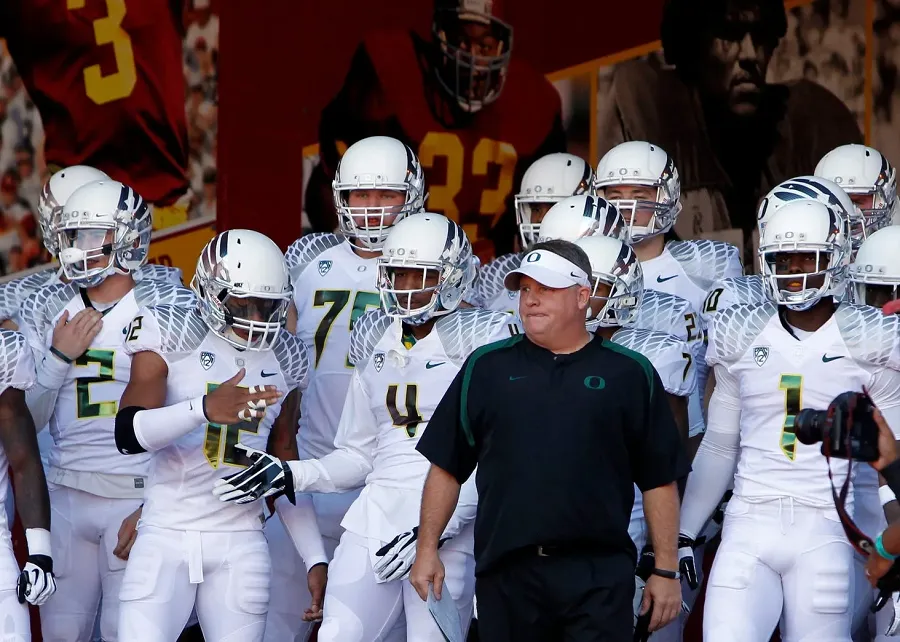
ATLANTA, Ga. — Georgia voters went to the polls Tuesday, June 16, in runoff elections to decide key Republican nominees for U.S. Senate and governor; Rep. Mike Collins faced former college football coach Derek Dooley for the Senate nomination while Lt. Gov. Burt Jones faced Rick Jackson in the gubernatorial runoff.
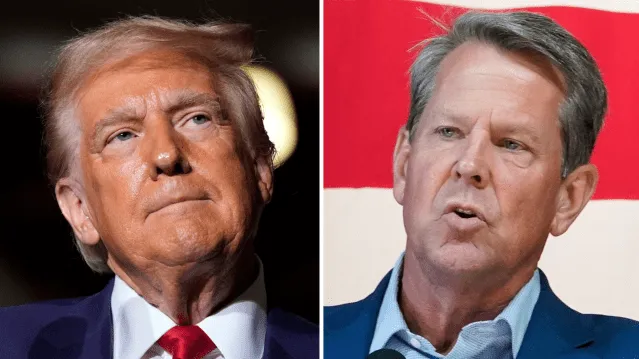
Over the weekend before the vote, former President Donald Trump endorsed Collins while Gov. Brian Kemp backed Dooley, reflecting ongoing intraparty divisions; Collins had led the initial primary with almost 41% and Dooley approximately 30%, and the runoff winners will advance to contest Sen. Jon Ossoff and the governor's race in November.
More context
Timeline
- 1. 2020: Trump pressured Georgia officials over election results, straining ties with Gov. Kemp.
- 2. 2021: Two Georgia Republican senators lost runoffs amid national scrutiny.
- 3. May/last month 2024: Primary produced no majority; Collins ~41%, Dooley ~30%, Buddy Carter eliminated.
- 4. Mid-June 2024: Trump endorsed Collins over the weekend; Kemp endorsed Dooley.
- 5. June 16, 2024: Polls opened for Georgia runoffs deciding GOP nominees for Senate and governor.
Why it matters
The Georgia runoffs decide who'll represent the GOP in key races this fall. This could influence policies on money, health, and rights. If you're in Georgia, your vote counts. If not, these races could still impact national politics.
Sources
JQJO Editorial Desk · Human reviewed · AI assisted. Report a correction.