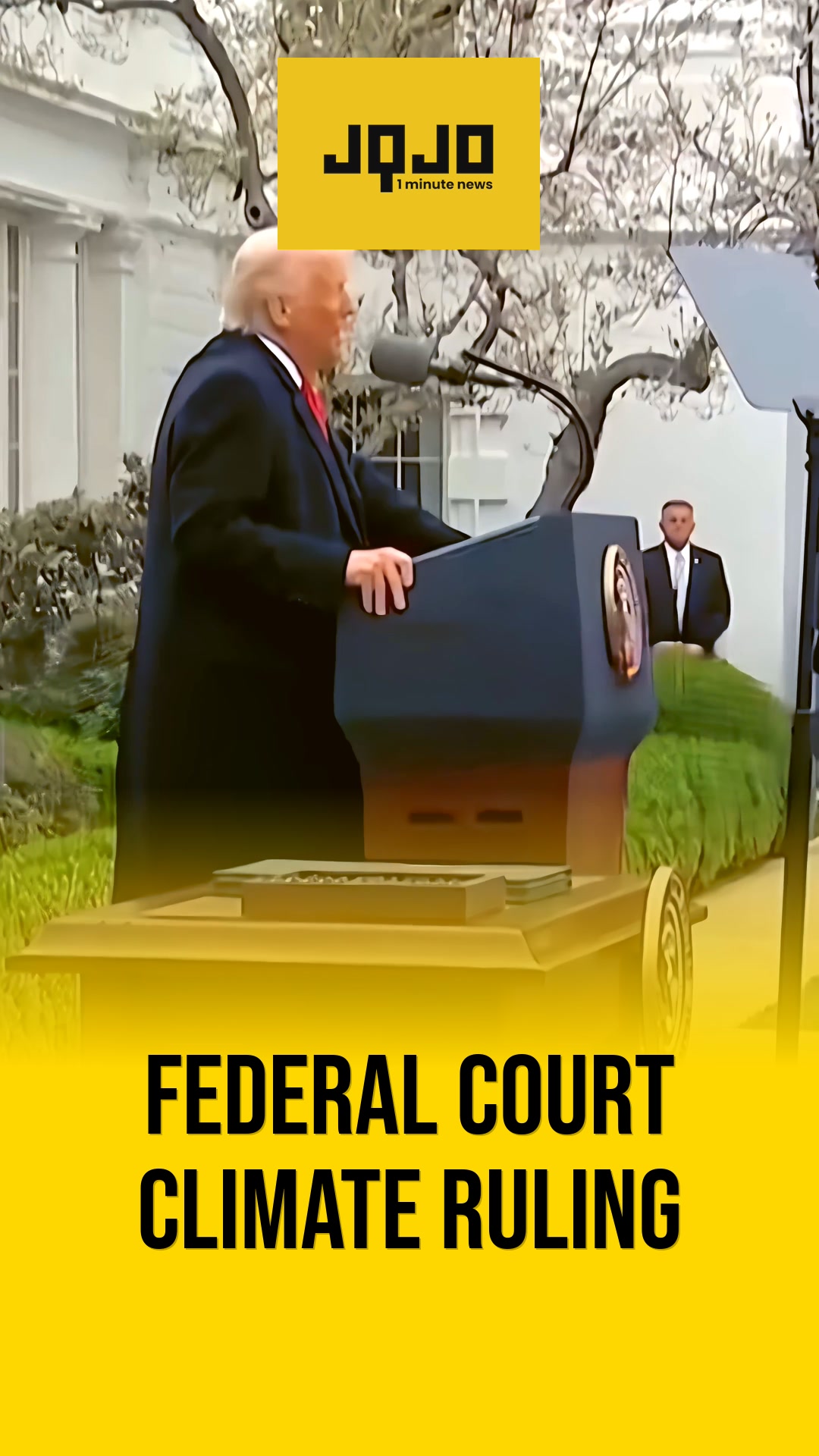
United States, June 14, 2026 – U.S. President Donald Trump announced on Sunday that the United States and the Islamic Republic of Iran plan to electronically sign a comprehensive bilateral framework agreement later in the day, aimed at concluding the ongoing Middle East war. Pakistani Prime Minister Shehbaz Sharif, whose government has served as the primary diplomatic intermediary, confirmed that both sides have finalized the structural parameters of the peace deal and that Islamabad’s teams are coordinating the electronic signature protocols. Trump said the timing of the electronic execution is aligned with his 80th birthday and declared that, once the signatures are officially recorded, Iran’s five‑month naval blockade of the Strait of Hormuz will end, immediately reopening the key maritime energy transit route to international commercial shipping and oil tankers. Global markets have closely tracked the diplomatic timeline, with oil prices swinging sharply in recent days as expectations about the agreement shifted. The prolonged closure of the Strait of Hormuz has produced the most severe disruption to global energy supplies since the 1970s, driving Brent crude above $100 per barrel in March and contributing to a surge in U.S. inflation indicators, including a 6.5% year‑over‑year rise in the May Producer Price Index and a 4.2% annual increase in the Consumer Price Index. While negotiators have agreed on a basic framework, significant disputes persist over Iran’s nuclear infrastructure, its demand to retain diluted uranium stockpiles, and its push to impose maritime transit tolls, as well as U.S. requirements for verifiable dismantling of nuclear facilities and guaranteed free passage for all vessels through the strait.
Prepared by Lauren Mitchell and reviewed by editorial team.
这项和平协议可能会压低油价。这可能会缓解通货膨胀,降低你的生活成本。如果你在加油站或杂货店感到经济压力,请密切关注。
这是迈向和平的一步,但并非尘埃落定。伊朗核计划和海上通行费等问题仍待解决。如果您认识关注全球政治或石油价格的人,值得转发。
源未指定。
未在源中指定。
No left-leaning sources found for this story.
No right-leaning sources found for this story.
Comments