Iran launches missiles toward Bahrain and Kuwait
PUBLISHED Jun 6, 2026, 8:48 AM ET
Read, Watch or Listen
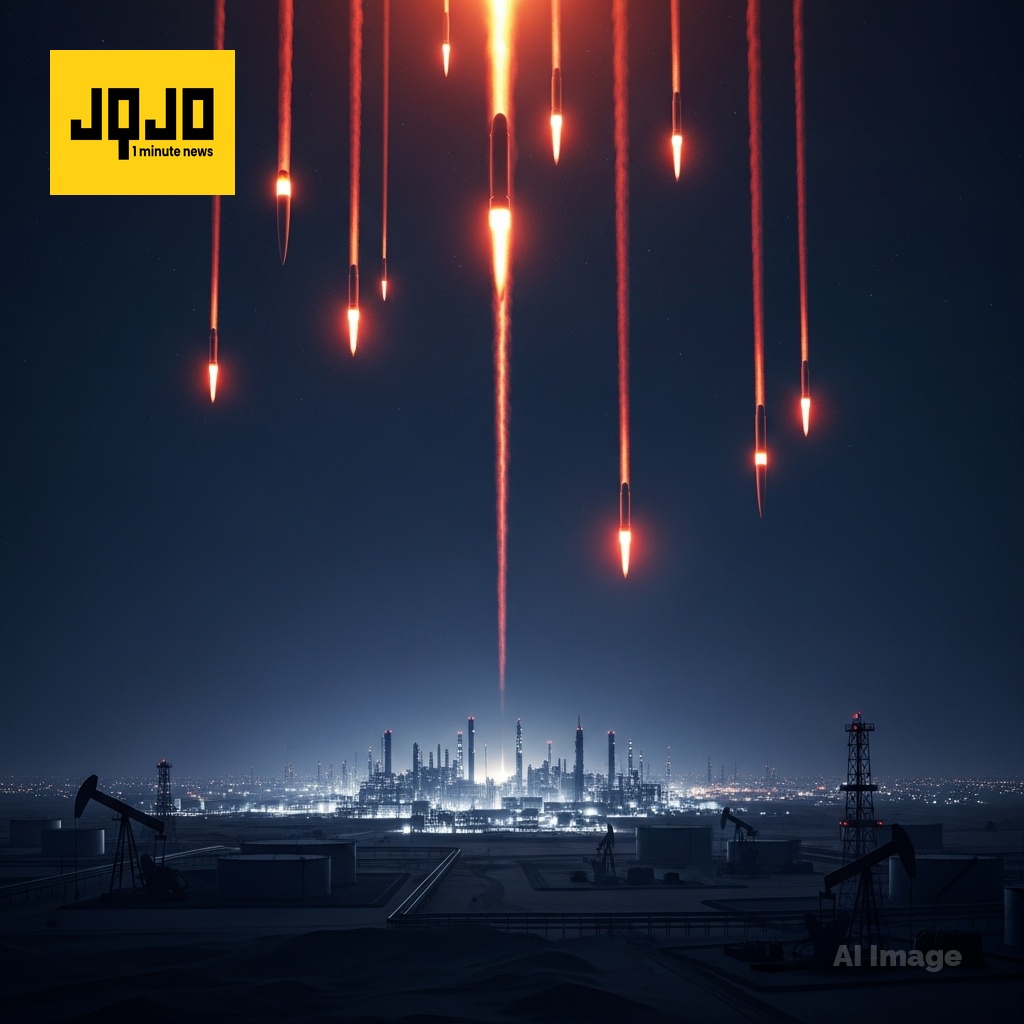
Iran launched seven ballistic missiles toward the U.S.-allied Gulf states of Kuwait and Bahrain early Saturday, in what U.S. military officials described as a major escalation in the conflict involving American forces in the region. U.S. Central Command (CENTCOM) said defensive systems intercepted six of the missiles, while the seventh failed to hit its intended target. The attack followed a separate series of engagements hours earlier, when U.S. forces shot down four Iranian one-way attack drones that CENTCOM said were threatening maritime traffic near the Strait of Hormuz, a key corridor for global energy shipments. Iran, according to CENTCOM, then faced U.S. strikes on Iranian coastal surveillance radar sites in Goruk and on Qeshm Island, actions the United States described as intended to preempt further aggression. Bahrain’s Foreign Ministry condemned the missile launches as a “blatant aggression” and a “flagrant violation” of the sovereignty of both Bahrain and Kuwait. The two Gulf states host major U.S. military facilities, including the U.S. Fifth Fleet headquarters in Bahrain, underscoring their role as central hubs for the American military presence in the Middle East as tensions rise around a fragile and still-uncertain ceasefire process.
By Mahnoor A. | JQJO News
Timeline of Events
- Earlier this week, ceasefire talks falter regionally
- Hours before attack, U.S. downs drones
- Hours before attack, U.S. hits radar sites
- Early Saturday, Iran launches seven missiles
- Early Saturday, six missiles intercepted successfully
- Early Saturday, remaining missile misses target
- Later Saturday, Bahrain condemns Iranian missile attack
- Today, regional tensions and energy fears escalate
News Intelligence
- This situation could affect your wallet. The Strait of Hormuz is a major route for oil shipments. If tensions escalate, global energy prices could rise. Keep an eye on your gas and utility bills.






Comments