United States wildfires drive record ozone pollution
PUBLISHED Jun 5, 2026, 1:51 PM ET
Read, Watch or Listen
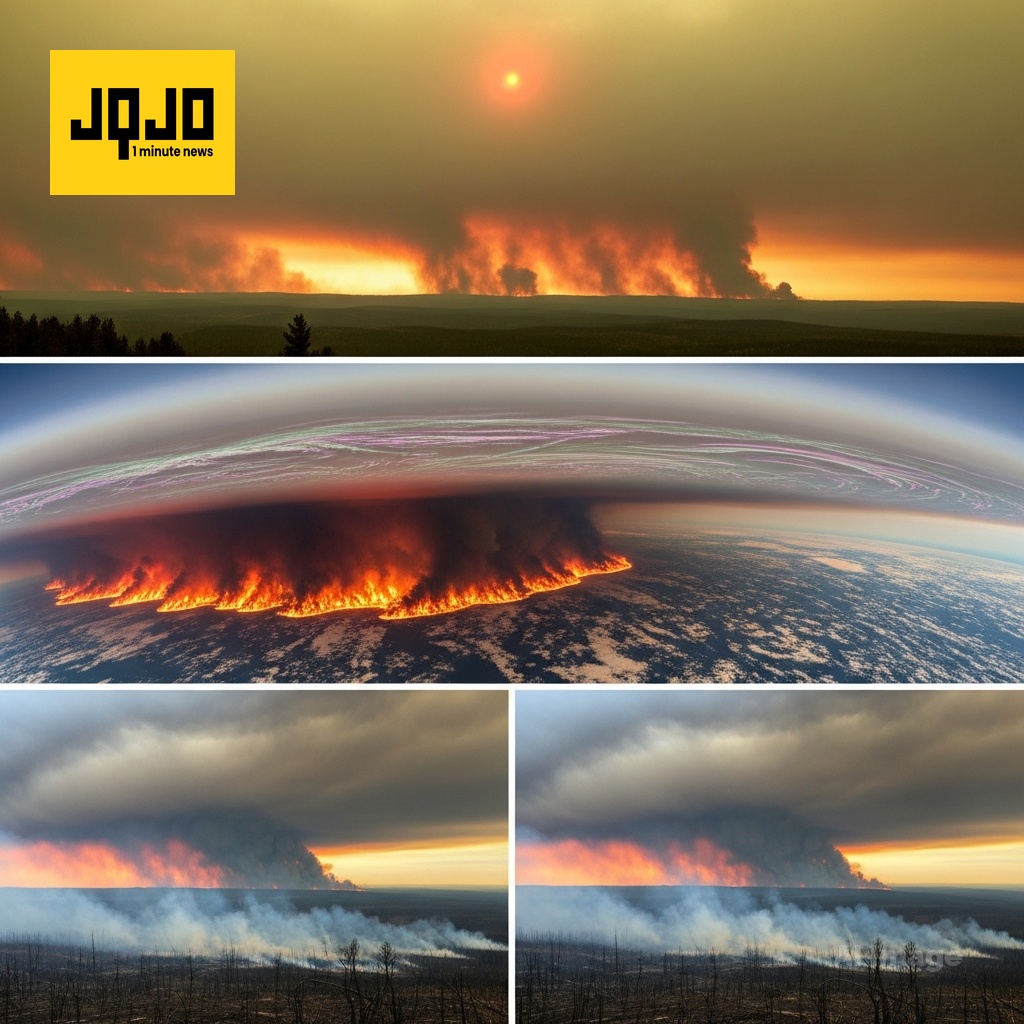
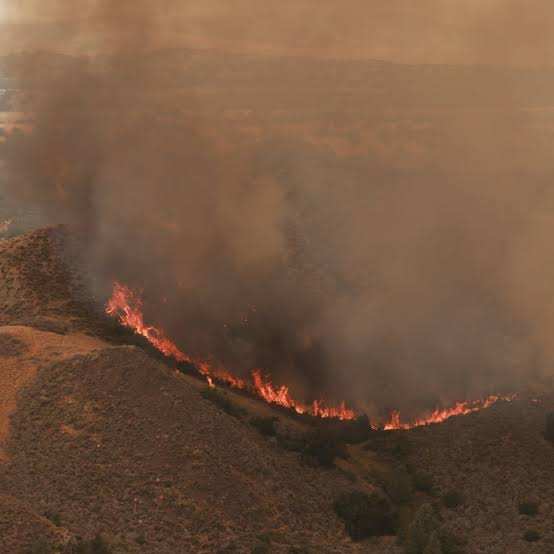
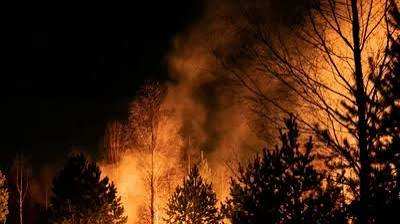
A peer-reviewed study published in Science on June 4, 2026, finds that wildfire smoke has reversed roughly a decade of air-quality gains across the continental United States. Using high-resolution grid modeling, University of Iowa researchers show that surface ozone levels have risen over the past ten years as carbon monoxide and nitrogen oxides from fires react with sunlight to form ozone. The analysis attributes more than 300 additional premature deaths annually since 2013 to wildfire-driven ozone, with marked increases during the 2020, 2021, and 2023 fire seasons. Smoke-related pollutants now affect regions far from fires, including the Midwest, as the 2026 spring wildfire season reaches historic levels nationwide.
By James Porter | JQJO News
Timeline of Events
- 2013 Wildfire-driven ozone deaths begin increasing
- 2015 Vehicle emission rules had reduced ozone
- 2020 Major wildfire season elevates ozone
- 2021 Wildfires again spike ozone mortality
- 2023 Continued severe wildfire ozone impacts
- Spring 2026 Wildfire activity reaches historic levels
- Jun 4 2026 Science study quantifies ozone reversal
- 2026 Study links 300 annual premature deaths
News Intelligence
- Wildfire smoke isn't just a local issue. It's raising ozone levels nationwide, impacting air quality even in the Midwest. This means more health risks, especially for those with respiratory issues. Check your local air quality index regularly, especially during wildfire season.




Comments