ٹیکسٹائل انڈسٹری کا گندا پانی انتہائی زہریلا پایا گیا
PUBLISHED Jun 1, 2026, 1:59 PM ET
Read, Watch or Listen
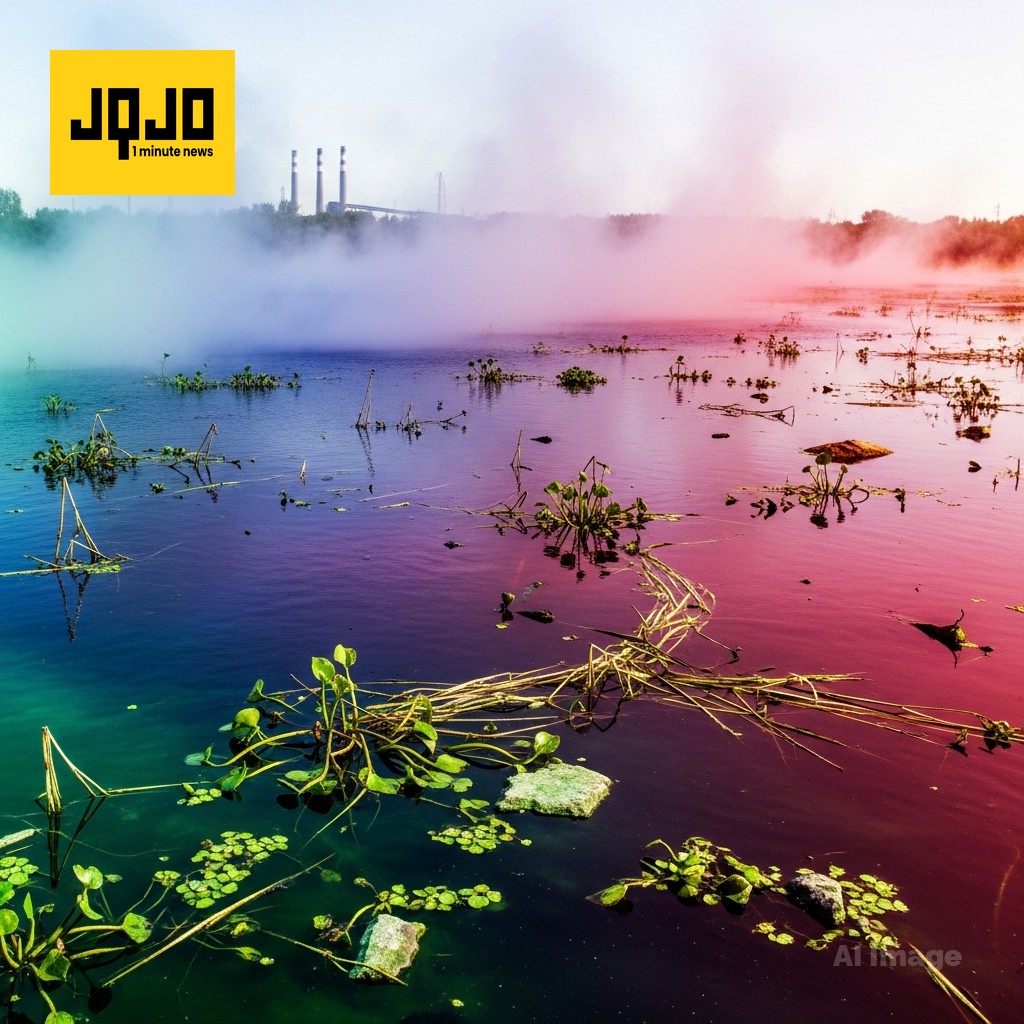
میساچوسٹس ایمہرسٹ یونیورسٹی کے محققین نے بتایا ہے کہ ٹیکسٹائل انڈسٹری کے گندے پانی کے الیکٹرو کیمیکل علاج سے زہریلے ضمنی مصنوعات کی خطرناک سطح پیدا ہو سکتی ہے۔ آج شائع ہونے والے ایک مطالعے میں، ٹیم نے پایا کہ عام ایزو رنگوں کو الیکٹرو کیمیکل الیکٹروڈز کے ساتھ علاج کرنے سے، کنڈکٹیویٹی کو بہتر بنانے کے لیے اکثر ٹیبل سالٹ کے طور پر شامل کیے جانے والے کلورائیڈ کی موجودگی میں، سو پارٹس فی بلین میں کلوروفارم اور بروموفارم پیدا ہوئے۔ یہ ارتکاز پینے کے پانی یا شاورز میں انسانی نمائش کی اجازت شدہ حد سے تقریباً تین گنا زیادہ تھا، اور جب برومین رنگوں میں موجود تھی، تو ٹرائہلومیتھین کے لیے امریکہ کے EPA کے ضابطے کی حد سے دس گنا زیادہ۔ مصنفین نے کم کارکردگی کے باوجود سوڈیم سلفیٹ جیسے متبادل نمکیات کی سفارش کی ہے۔
By Sarah Whitman | JQJO News
Timeline of Events
- آج UMass Amherst کے محققین نے مطالعہ شائع کیا
- آج الیکٹرو کیمیکل ڈائی ٹریٹمنٹ عمل کا جائزہ لیا گیا
- آج کلوروفارم، بروموفارم بلند مرتکز مقدار میں پائے گئے
- آج پینے کے پانی کے نمائش کے حد سے تجاوز کر گئے
- آج ٹرائی ہیلو میتھینز EPA کے ضابطے کی حدود سے تجاوز کر گئے
- آج ٹیکسٹائل گندے پانی نے زیریں آبی ماحولیاتی نظام کو متاثر کیا
- آج محققین نے متبادل کے طور پر سوڈیم سلفیٹ تجویز کیا
- آج متبادل کے لیے صنعتی کارکردگی کے خدشات کا ذکر کیا گیا
News Intelligence
- آپ کے کپڑے پانی کی آلودگی کا سبب بن سکتے ہیں۔ ٹیکسٹائل انڈسٹری اکثر ایزو ڈائیز استعمال کرتی ہے، جو علاج کے دوران زہریلے ضمنی مصنوعات پیدا کر سکتی ہیں۔ یہ زہریلے مادے ہمارے پینے کے پانی اور شاورز تک پہنچ سکتے ہیں۔ ایک باخبر صارف بنیں - چیک کریں کہ آپ کے پسندیدہ برانڈز پائیدار طریقوں کے پابند ہیں یا نہیں۔




Comments