कपड़ा उद्योग का अपशिष्ट जल अत्यधिक विषैला पाया गया
PUBLISHED Jun 1, 2026, 1:59 PM ET
Read, Watch or Listen
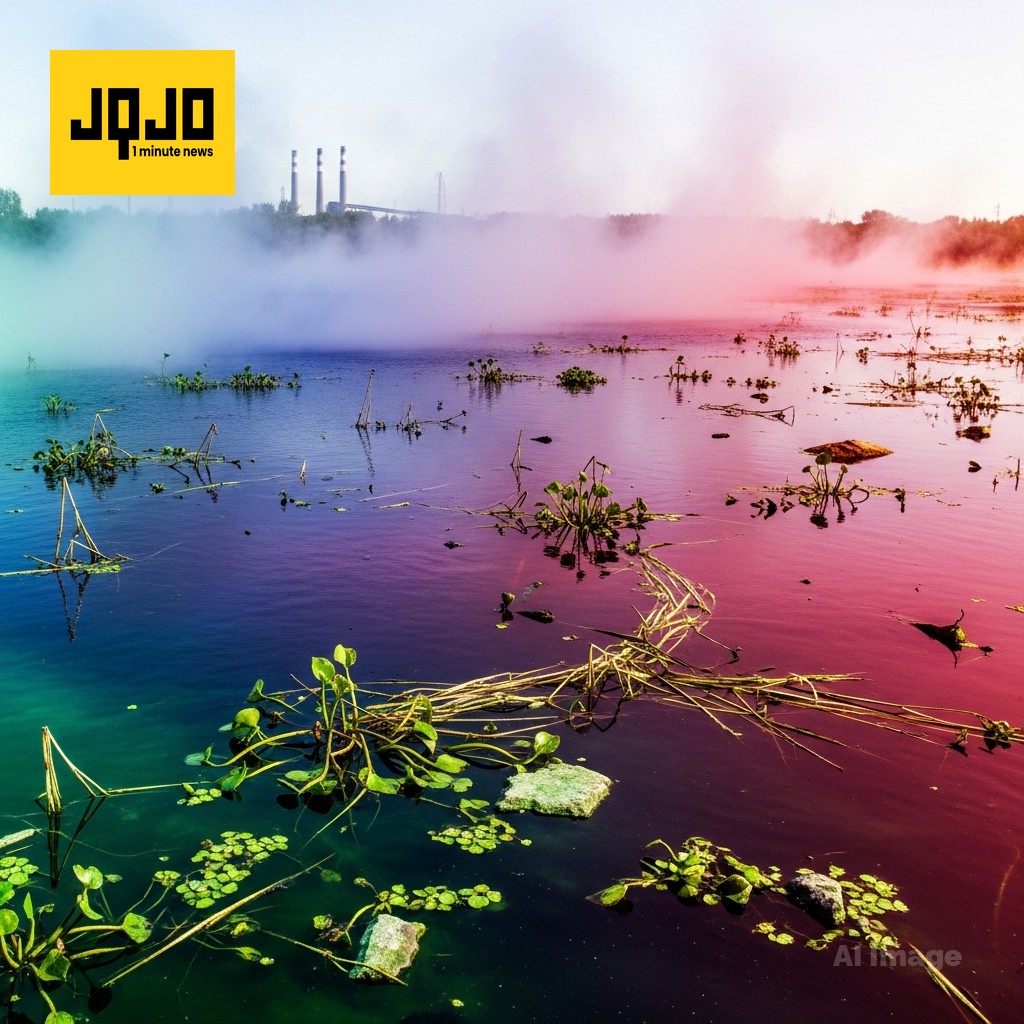
मैसाचुसेट्स एमहर्स्ट विश्वविद्यालय के शोधकर्ताओं ने बताया है कि कपड़ा उद्योग के अपशिष्ट जल के विद्युत रासायनिक उपचार से खतरनाक स्तर के जहरीले उप-उत्पाद उत्पन्न हो सकते हैं। आज प्रकाशित एक अध्ययन में, टीम ने पाया कि सामान्य एजो रंगों को क्लोराइड की उपस्थिति में इलेक्ट्रोकेमिकल इलेक्ट्रोड से उपचारित करने पर, चालकता में सुधार के लिए अक्सर टेबल नमक के रूप में जोड़ा जाता है, जिससे सैकड़ों अरबों भागों में क्लोरोफॉर्म और ब्रोमोफॉर्म का उत्पादन होता है। इन सांद्रता ने पीने के पानी या शावर में मानव जोखिम के लिए अनुमेय सीमा के बारे में तीन गुना और, जब रंगों में ब्रोमीन मौजूद था, तो ट्राईहेलोमेथेन के लिए अमेरिकी ईपीए नियामक सीमा के दस गुना से अधिक तक पहुंच गई। लेखकों ने कम दक्षता के बावजूद सोडियम सल्फेट जैसे वैकल्पिक लवणों की सिफारिश की है।
By Sarah Whitman | JQJO News
Timeline of Events
- आज मैसाचुसेट्स एमहर्स्ट विश्वविद्यालय के शोधकर्ताओं द्वारा प्रकाशित अध्ययन
- आज इलेक्ट्रोकेमिकल डाई उपचार प्रक्रिया का मूल्यांकन किया गया
- आज उच्च सांद्रता में क्लोरोफॉर्म, ब्रोमोफॉर्म का पता चला
- आज का स्तर पीने योग्य पानी के संपर्क की सीमा से अधिक है
- आज ट्रायहेलोमेथेन EPA नियामक सीमाओं से अधिक
- आज वस्त्र अपशिष्ट जल का जलीय पारिस्थितिकी तंत्र पर प्रभाव
- आज शोधकर्ताओं ने सोडियम सल्फेट को विकल्प के रूप में प्रस्तावित किया
- आज उद्योग दक्षता को विकल्प के लिए महत्वपूर्ण माना गया
News Intelligence
- आपके कपड़े जल प्रदूषण में योगदान कर सकते हैं। वस्त्र उद्योग अक्सर एजो रंगों का उपयोग करता है, जो उपचार के दौरान विषाक्त उप-उत्पाद बना सकते हैं। ये विष हमारे पीने के पानी और शावर में पहुँच सकते हैं। एक सूचित उपभोक्ता बनें - जांचें कि क्या आपके पसंदीदा ब्रांड स्थायी प्रथाओं के प्रति प्रतिबद्ध हैं।





Comments