مياه الصرف الصناعي للمنسوجات وُجدت شديدة السمية
PUBLISHED Jun 1, 2026, 1:59 PM ET
Read, Watch or Listen
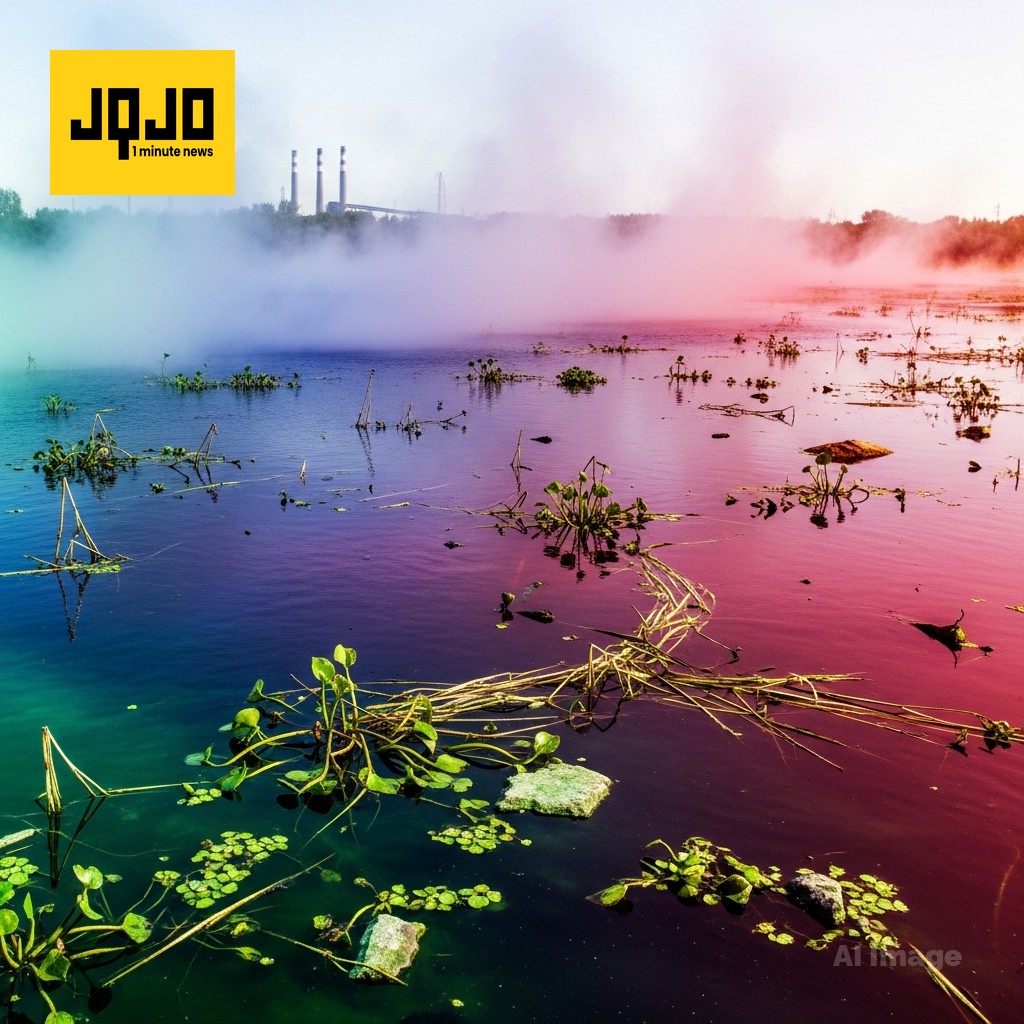
أفاد باحثون في جامعة ماساتشوستس أمهرست بأن المعالجة الكهروكيميائية لمياه الصرف الصناعي للمنسوجات يمكن أن تولد مستويات خطيرة من المنتجات الثانوية السامة. في دراسة نُشرت اليوم، وجد الفريق أن معالجة الأصباغ الأزو الشائعة باستخدام الأقطاب الكهربائية في وجود الكلوريد، الذي غالبًا ما يُضاف كملح طعام لتحسين الموصلية، أنتجت الكلوروفورم والبروموفورم بمئات الأجزاء في المليار. وصلت هذه التركيزات إلى حوالي ثلاثة أضعاف الحد المسموح به للتعرض البشري في مياه الشرب أو الاستحمام، وعندما كان البروم موجودًا في الأصباغ، أكثر من عشرة أضعاف الحد التنظيمي الذي وضعته وكالة حماية البيئة الأمريكية للمركبات الثلاثية الهالوجينية. يوصي المؤلفون بأملاح بديلة، مثل كبريتات الصوديوم، على الرغم من انخفاض كفاءتها.
By Sarah Whitman | JQJO News
Timeline of Events
- دراسة نُشرت اليوم من قبل باحثين في جامعة ماساتشوستس أمهيرست
- تم اليوم تقييم عملية معالجة الصبغة بالكهرباء الكيميائية
- تم اليوم الكشف عن الكلوروفورم والبروموفورم بتركيزات عالية
- تتجاوز المستويات حدود التعرض لمياه الشرب
- تتجاوز ثلاثي الهالوميثان الحدود التنظيمية لوكالة حماية البيئة
- تؤثر مياه الصرف الصحي للمنسوجات على النظم البيئية المائية في المصب
- يقترح الباحثون اليوم كبريتات الصوديوم كبديل
- لوحظت مخاوف بشأن كفاءة الصناعة في البديل
News Intelligence
- قد تكون ملابسك مساهمة في تلوث المياه. غالبًا ما تستخدم صناعة المنسوجات أصباغ الآزو، والتي يمكن أن تخلق منتجات ثانوية سامة عند معالجتها. يمكن أن ينتهي المطاف بهذه السموم في مياه الشرب وحماماتنا. كن مستهلكًا واعيًا - تحقق مما إذا كانت علاماتك التجارية المفضلة ملتزمة بالممارسات المستدامة.



Comments