Arkansas Falls to Nebraska in Extra-Innings WCWS Opener
Tap title to read story
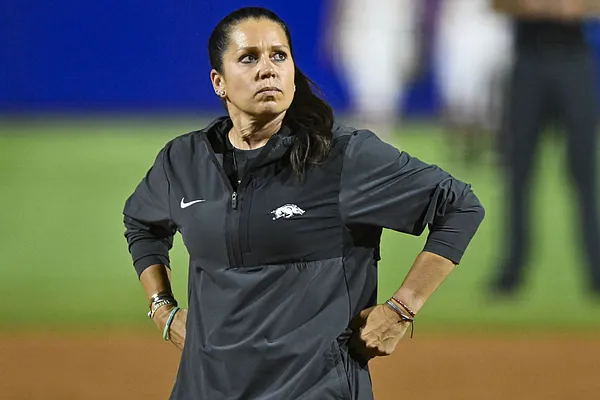
Oklahoma City — No. 5 Arkansas lost to No. 4 Nebraska, 5-3, in 10 innings Thursday at Devon Park during the Women's College World Series opener when Ava Kuszak hit a two-run walk-off home run in the bottom of the 10th; earlier scoring included Kailey Wyckoff's two-run home run and Ella McDowell's eighth-inning RBI single.
The walk-off capped a late Nebraska comeback after Hannah Coor tied the game with a solo home run in the eighth; attendance was reported at 12,605. Arkansas falls to 47-12 and is scheduled to play UCLA in an elimination game Friday at 8:30 p.m., and coach Courtney Deifel cited a late pitch-calling sequence as a key moment.
More context
Timeline
- 1. Arkansas opened scoring with Kailey Wyckoff's two-run homer in the second inning.
- 2. Nebraska tied the game in the fourth inning via RBI single and fielder's choice.
- 3. Ella McDowell gave Arkansas the lead with an RBI single in the top of the eighth.
- 4. Hannah Coor hit a solo home run in the bottom of the eighth to tie the game.
- 5. Ava Kuszak hit a two-run walk-off homer in the bottom of the 10th to win 5-3.
Why it matters
This game is a reminder of the thrill and unpredictability of sports. Whether you're a die-hard Arkansas fan or just love college softball, it's a rollercoaster ride. Check the WCWS schedule to catch the next games and support your team.
Sources
JQJO Editorial Desk · Human reviewed · AI assisted. Report a correction.