Washington-Tehran talks face hurdles on oil, nukes
Tap title to read story
The United States and Iran are negotiating a memorandum of understanding aimed at ending their nearly three-month war and reopening the Strait of Hormuz, a vital route for about 20% of global oil shipments. According to a CNN analysis updated early May 25, 2026, three main obstacles remain: control and conditions for reopening the strait, the handling of Iran’s enriched uranium stockpile, and the scope of sanctions relief. Iran seeks authority to levy tolls in Hormuz, keep enriched uranium inside the country, and secure broad U.S. and European sanctions removal, including oil sanctions it says could yield $10 billion in 60 days.
More context
Timeline
- Early 2026 War between Iran and United States intensifies
- Nearly three months later Conflict continues disrupting Hormuz shipments
- Earlier this week Uranium directive reported, prices spike
- Earlier this week U.S. rejects Iranian Hormuz toll demands
- Early May 2026 Iran seeks full sanctions removal
- May 25, 2026 CNN details memorandum negotiations
- May 25, 2026 Rubio warns Hormuz control unfeasible
- Coming weeks Talks expected to address three obstacles
Why it matters
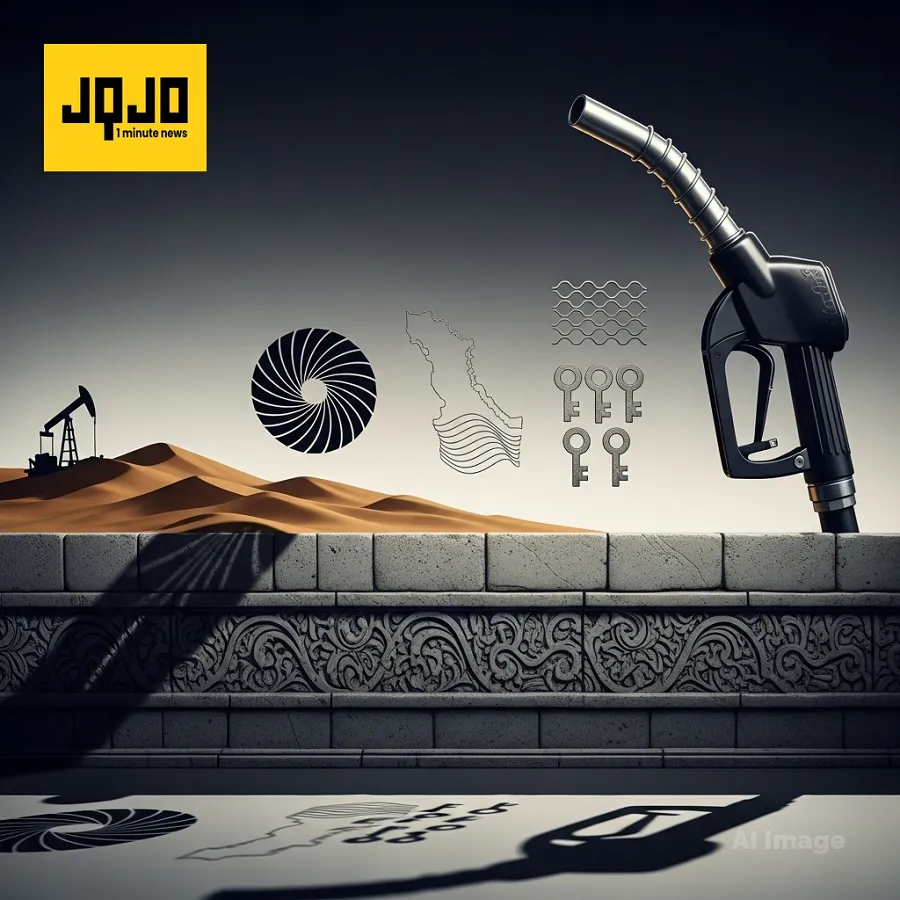
The Strait of Hormuz is a key oil route. If Iran levies tolls, global oil prices could rise. That means higher gas prices for you. Keep an eye on your local gas station prices.
JQJO Editorial Desk · Human reviewed · AI assisted. Report a correction.