ترامب يؤجل الأمر التنفيذي للذكاء الاصطناعي قبل ساعات من توقيعه بالبيت الأبيض مشيراً إلى المنافسة الصينية يوتيوب
PUBLISHED May 22, 2026, 12:15 PM ET
Read, Watch or Listen

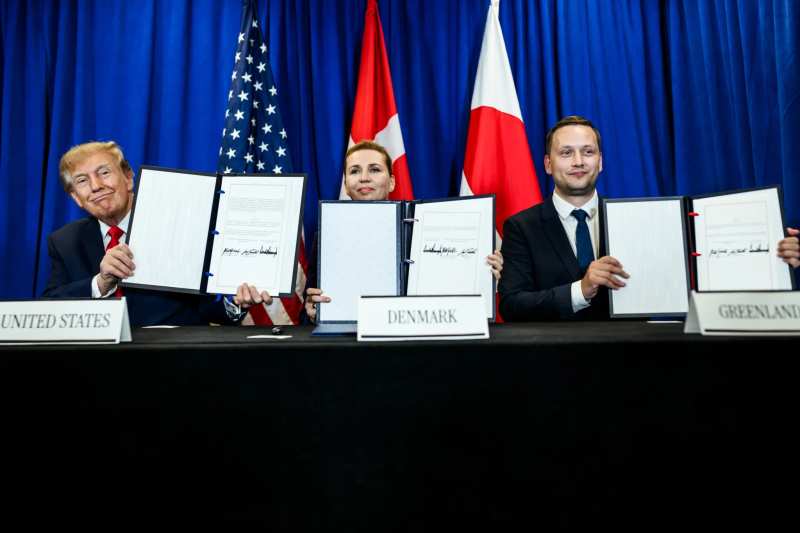
واشنطن - في 21 مايو 2026، أجل الرئيس دونالد ترامب فجأة توقيع أمر تنفيذي كبير بشأن الذكاء الاصطناعي قبل ساعات فقط من حفل مخطط له في البيت الأبيض مع كبار المسؤولين التنفيذيين في مجال التكنولوجيا ومسؤولين كبار في الإدارة. وكان من المتوقع أن ينشئ الأمر إطارًا شاملاً وطوعيًا يتطلب من مطوري الذكاء الاصطناعي الأمريكيين التنسيق مع الوكالات الفيدرالية قبل نشر النماذج المتقدمة للغاية للجمهور، مما يسمح للحكومة بفحص الأنظمة بحثًا عن نقاط ضعف الأمن القومي ومخاطر الأمن السيبراني. وفي تصريح للصحفيين في المكتب البيضاوي، قال ترامب إنه أوقف هذه الخطوة بعد مراجعة النص النهائي واستنتاج أن بعض الأحكام يمكن أن تبطئ التقدم التكنولوجي المحلي في وقت تحتفظ فيه الولايات المتحدة بما وصفه بأنه ريادة واضحة على الصين والمنافسين الآخرين. وشدد على أن إدارته لن تفرض لوائح قد تقوض هذه الميزة، وأشار إلى أن الذكاء الاصطناعي يدفع حاليًا مكاسب اقتصادية كبيرة ويخلق أعدادًا كبيرة من الوظائف الأمريكية في قطاعات متعددة. واشنطن - جاء تأخير الأمر التنفيذي بعد أشهر من النقاش الداخلي وقلق متزايد بين مسؤولي الأمن القومي بشأن إمكانية أن تتيح أنظمة الذكاء الاصطناعي المتقدمة شن حرب سيبرانية مؤتمتة، وأدوات قرصنة متطورة، وحملات تضليل واسعة النطاق. وكان وزير الخزانة سكوت بيسنت ورئيس مجلس الاحتياطي الفيدرالي المنتهية ولايته جيروم باول قد عقدا سابقًا اجتماعًا طارئًا مع كبار قادة البنوك في وول ستريت للتحذير من أن نموذج Claude Mythos الجديد من Anthropic يمثل تحديات غير مسبوقة لأمن البيانات، مما دفع الحلفاء في الكونغرس والإدارة إلى إدراج بنود رقابة محددة في مسودة الأمر. وقد اصطدم دفعهم بتحالف قوي من المسؤولين التنفيذيين في مجال التكنولوجيا ورجال الأعمال الاستثماريين وصانعي السياسات الداعمين للسوق الحرة، الذين يجادلون بأن تفويضات الامتثال الجديدة والفحص قبل الإصدار سترفع التكاليف، وتبطئ النشر، وتعطي الشركات الصينية فرصة استراتيجية. يأتي هذا الخلاف في الوقت الذي يدفع فيه الإنفاق على الذكاء الاصطناعي تقييمات سوق الأسهم الأمريكية، وفي الوقت الذي تستعد فيه شركات مثل OpenAI و Anthropic و SpaceX لطروحات عامة أولية كبيرة، مع تحذير المحللين من أن الصدمات التنظيمية المفاجئة يمكن أن تزعزع توقعات المستثمرين. ولم يعلن البيت الأبيض عن جدول زمني جديد لمراجعة أو توقيع الأمر التنفيذي بشأن الذكاء الاصطناعي.
By Najma A. | JQJO News
Timeline of Events
- في وقت سابق من هذا العام، تم تداول مسودة الأمر داخليًا
- في الأسابيع الأخيرة، تمت دعوة رؤساء تنفيذيين في مجال التكنولوجيا لحضور الحفل
- صباح يوم 21 مايو 2026، تمت مراجعة النص النهائي
- 21 مايو 2026، تم إلقاء تصريحات المكتب البيضاوي
- 21 مايو 2026، تم إلغاء حفل التوقيع بالبيت الأبيض
- في نفس اليوم، تم تعليق الإطار التنظيمي للذكاء الاصطناعي
- بعد الإعلان، ينتظر قادة الصناعة مسودة منقحة
News Intelligence
- قد يؤثر هذا الأمر الخاص بالذكاء الاصطناعي على خصوصيتك وأمن وظيفتك. إذا تم تمريره، فقد يعني ذلك المزيد من الرقابة الحكومية على الذكاء الاصطناعي، مما قد يحمي بياناتك. ولكنه قد يبطئ أيضًا نمو التكنولوجيا، مما قد يؤثر على الوظائف. راقب هذه القضية.

Comments