White House Proposes Pre-Release Review for AI Models
Tap title to read story
Washington: This week the White House signaled plans for an executive order proposing a voluntary framework to allow U.S. authorities to review advanced 'frontier' AI models before public release, potentially as early as Thursday; draft language referenced a 90-day review window while some industry participants advocated for roughly 14 days.
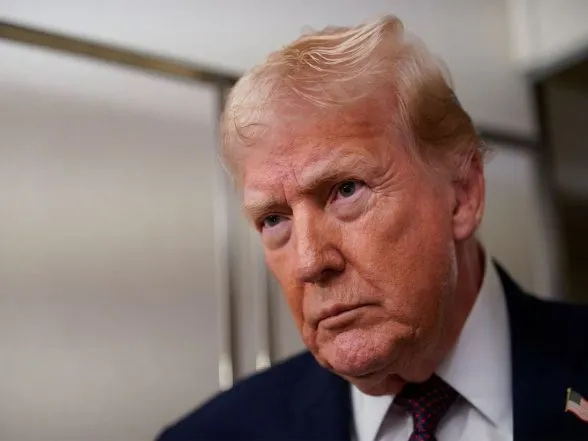
President Donald Trump postponed a scheduled Oval Office signing Thursday, saying he was concerned the measure could blunt U.S. competitiveness, while reporting indicates administration discussions would focus on cybersecurity and potential pre-release access for critical infrastructure providers; OpenAI, Anthropic, banks and political advocates continued negotiations this week over review mechanics and timelines.
More context
Timeline
- 1. May 20, 2026 — Reuters/CNA report: President expected to sign an executive order on AI oversight.
- 2. May 20, 2026 — AP/LatestLY report: President Trump called off the planned signing citing concerns about competitiveness.
- 3. May 21, 2026 — ANI/LatestLY summarized a proposed voluntary framework for pre-release review of frontier AI models.
- 4. Drafts reportedly outlined a 90-day review window; some industry parties requested ~14 days.
- 5. Ongoing negotiations among the White House, major AI firms, banks and political stakeholders on review terms.
Why it matters
This proposed AI review could impact your privacy and safety. If the government reviews AI models, it could spot potential risks before they reach you. But, it might also mean more government access to data. Keep an eye on how this unfolds.
Sources
JQJO Editorial Desk · Human reviewed · AI assisted. Report a correction.