Tehran refuses to export near-weapons-grade uranium stockpile
Tap title to read story
Iran has ordered that its stockpile of near-weapons-grade uranium remain inside the country, in a directive issued by Supreme Leader Ayatollah Mojtaba Khamenei and confirmed to Reuters by two senior Iranian officials. The decision hardens Tehran’s position on a central U.S. demand in peace talks launched after joint U.S.-Israeli military strikes on Iran began on February 28, 2026. The United States has insisted that Iran’s highly enriched uranium be removed from its territory as part of any settlement, while Israel has framed the removal of this material, an end to support for proxy militias, and the dismantling of ballistic missile capabilities as conditions for declaring the conflict over.
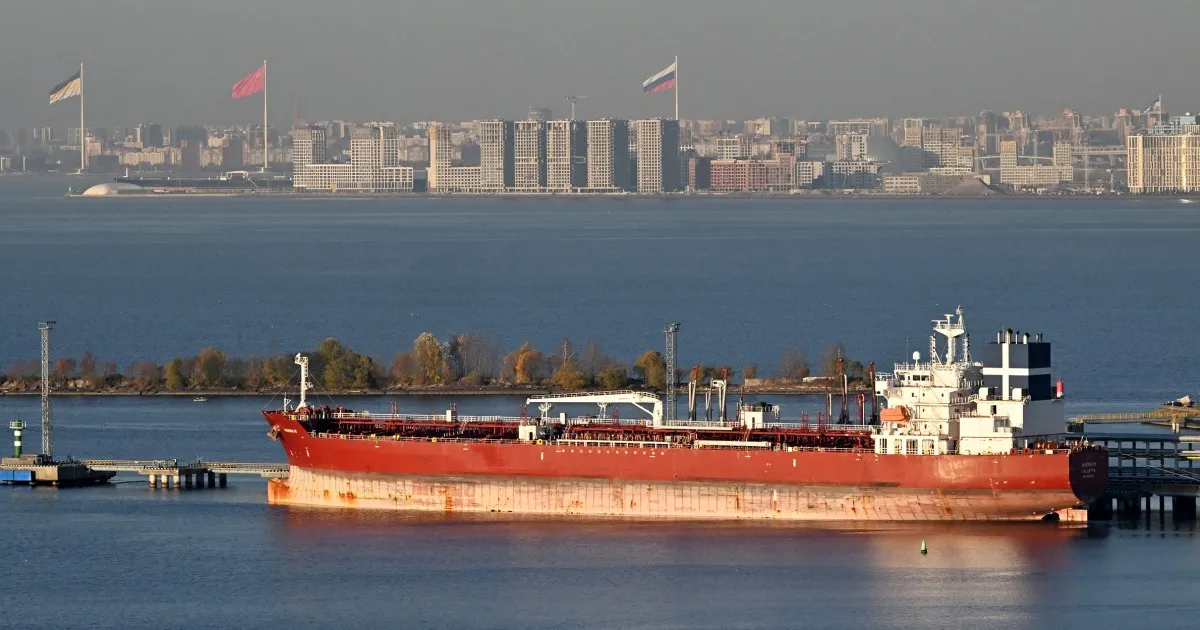
Iran remains under a U.S. naval blockade of its ports, while it continues to hold strategic leverage through its control of the Strait of Hormuz, a key global oil shipping route, under a fragile ceasefire mediated by Pakistan that has yet to yield a substantive breakthrough. Iranian leaders say they deeply distrust U.S. intentions, and chief peace negotiator Mohammad Baqer Qalibaf warned this week that “obvious and hidden moves by the enemy” suggest Washington is preparing new attacks. President Donald Trump said the United States is prepared to carry out additional strikes if Iran does not accept a peace agreement, although he signaled he would wait several days for what he called “the right answers.” Markets reacted sharply to news of Khamenei’s order, with oil prices jumping, U.S. stock indexes falling and Treasury yields rising as prospects for a diplomatic resolution appeared to weaken.
More context
Timeline
- Feb 28, 2026 U.S.-Israeli forces launch joint strikes
- Early March 2026 Ceasefire takes tentative effect
- Early March 2026 Pakistan mediates stalled negotiations
- Early March 2026 U.S. enforces naval blockade Iran
- Early March 2026 Iran maintains control Strait Hormuz
- This week Khamenei orders uranium stockpile stay domestic
- This week Iranian officials confirm directive to Reuters
- Wednesday Trump threatens further strikes without agreement
Why it matters
This standoff could affect your wallet. Oil prices are already jumping due to the uncertainty. If tensions escalate, expect higher gas prices. Keep an eye on your investments too. U.S. stock indexes are falling.
JQJO Editorial Desk · Human reviewed · AI assisted. Report a correction.