Iran Reviews U.S. Response as Trump Says He Can Wait
Read, Watch or Listen
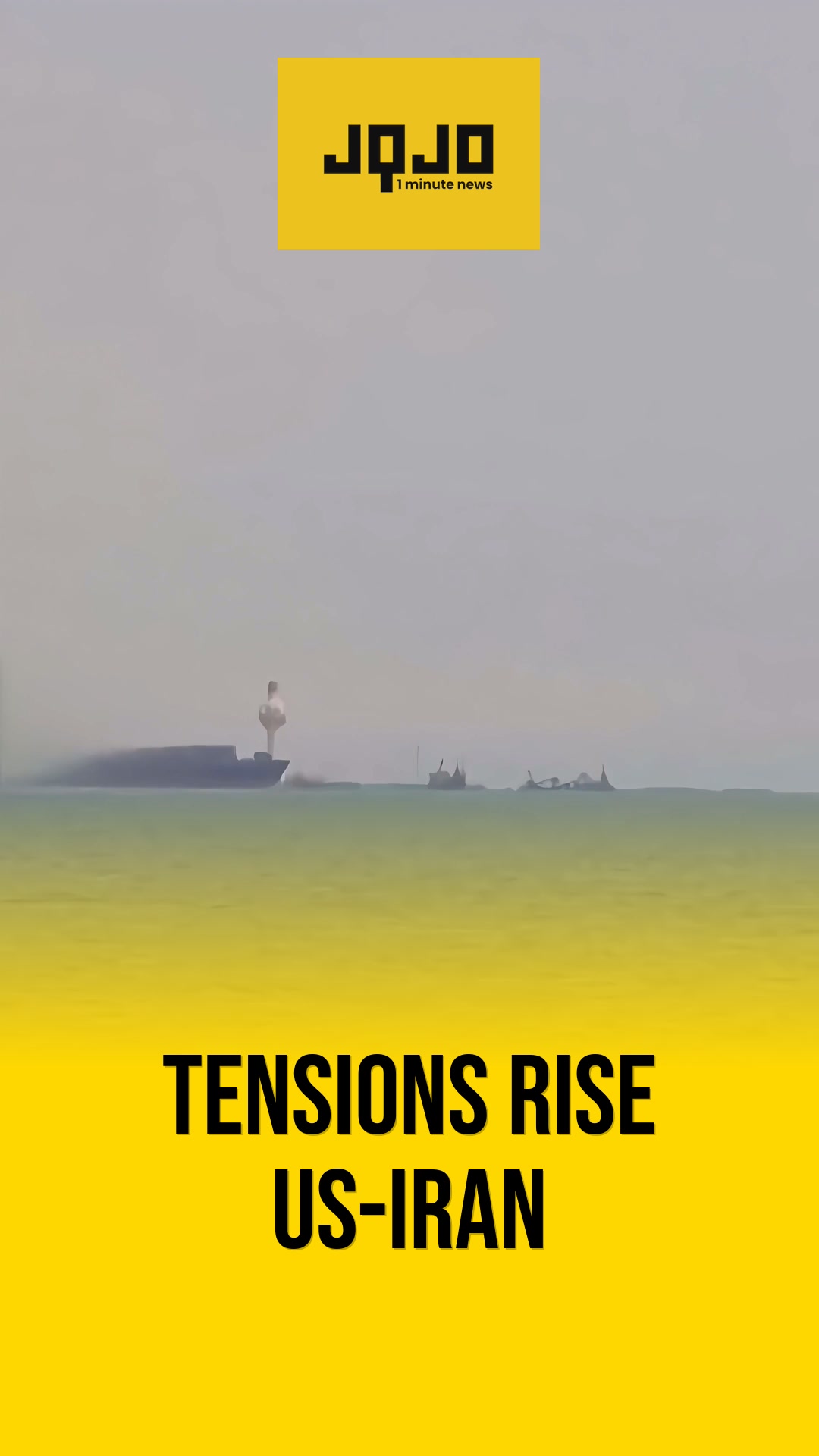
DUBAI/WASHINGTON — Iran said on Thursday, 21 May 2026, it was reviewing Washington's latest position on ending the war after U.S. President Donald Trump said he could wait a few days to 'get the right answers' from Tehran while warning of renewed attacks if no deal is reached. Pakistan, which hosted peace talks in April, was cited as acting as the conduit with several rounds of communication and a visit by Pakistan's interior minister to Tehran on 20 May. The development comes six weeks after a fragile ceasefire took effect; talks to end the war have shown limited progress, and rising oil prices have stoked inflation concerns. Trump also faces domestic political pressure ahead of November midterms as fuel costs affect approval ratings. Pakistan's Army Chief was reported as deciding on whether to travel to Tehran this week, indicating potential further mediation steps.
Prepared by Lauren Mitchell and reviewed by editorial team.
Timeline of Events
- Early April 2026: Fragile ceasefire comes into effect.
- April 2026: Pakistan hosts peace talks to facilitate U.S.-Iran communications.
- 20th May 2026: Pakistan's interior minister visits Tehran to convey messages.
- 21st May 2026: Iran announces it is reviewing Washington's latest position.
- 21st May 2026: President Trump says he can wait a few days but warns of renewed attacks.
Why This Matters to You
The U.S.-Iran conflict affects your wallet. Rising oil prices mean higher gas costs. This could also lead to inflation, making everyday items more expensive. Keep an eye on gas prices and your grocery bill.
The Bottom Line
The U.S. and Iran are in a delicate dance. A peaceful resolution could ease economic pressures. But if talks fail, expect more tension and potentially higher costs. Worth forwarding if you know someone worried about rising prices.
- Articles Published:
- 5
- Right Leaning:
- 0
- Left Leaning:
- 0
- Neutral:
- 5
- Distribution:
- Left 0%, Center 100%, Right 0%
Pakistan's diplomatic standing was enhanced by serving as mediator between Washington and Tehran, increasing its regional influence and visibility during the peace negotiations.
Civilians in the conflict zones suffered continued insecurity and economic strain as talks stalled, while global consumers faced higher fuel prices.
Coverage of Story:
From Left
No left-leaning sources found for this story.
From Center
Iran Reviews U.S. Response as Trump Says He Can Wait
Economic Times Chronicle.lu The Business Times The Korea Times ArcaMaxFrom Right
No right-leaning sources found for this story.

Comments