Trump Warns Iran As Gulf Drone Attacks Escalate
Read, Watch or Listen
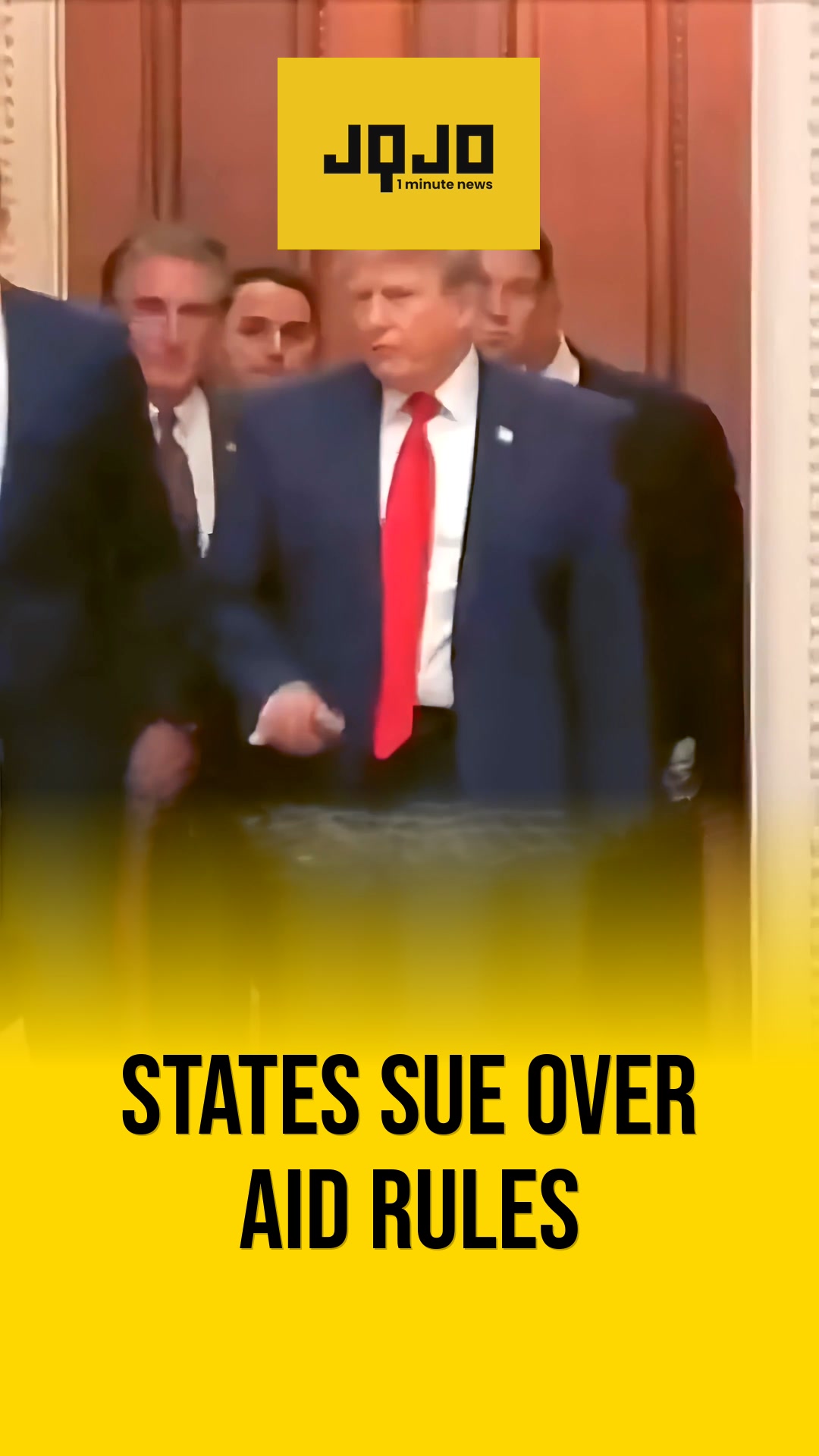
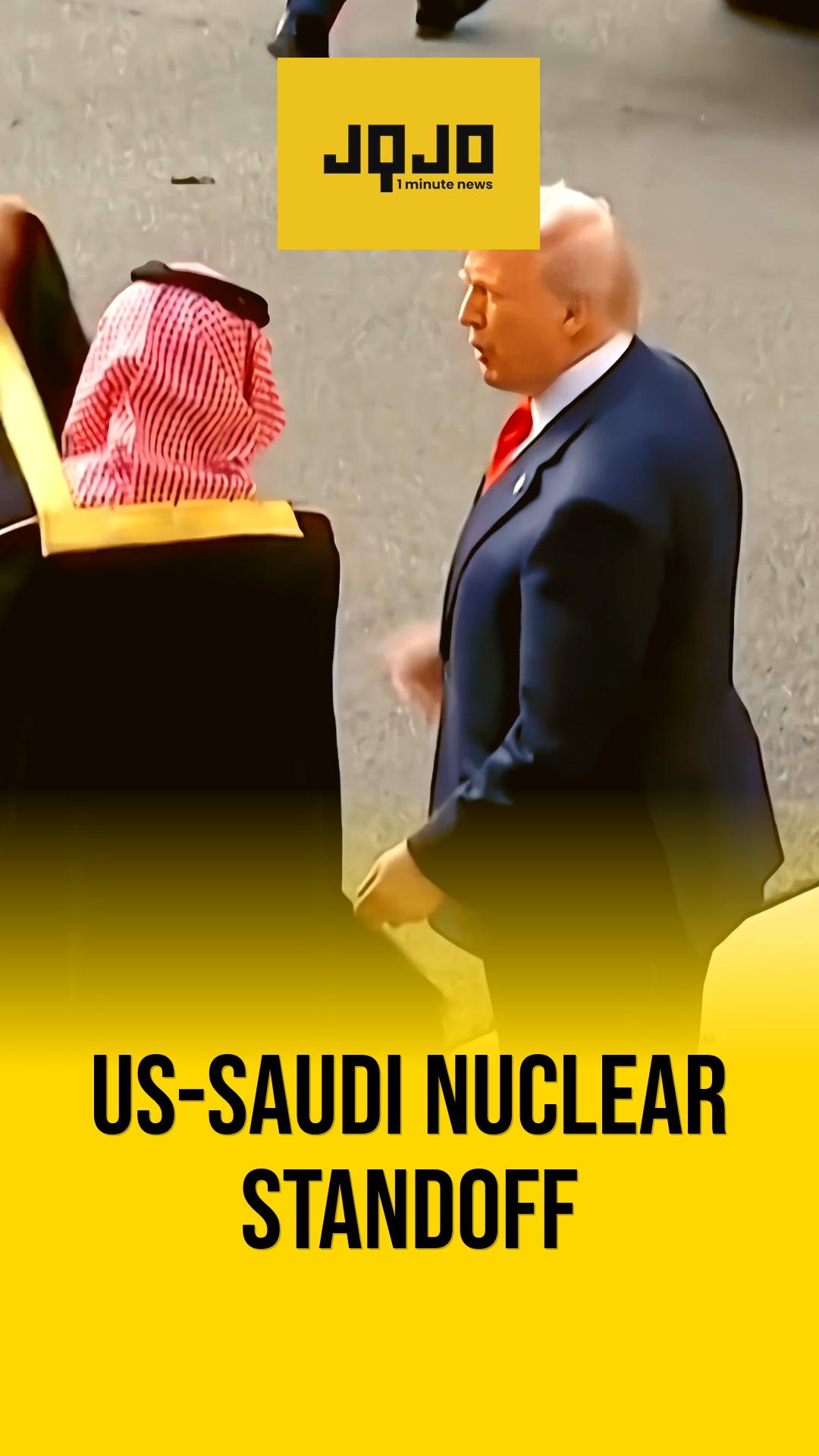
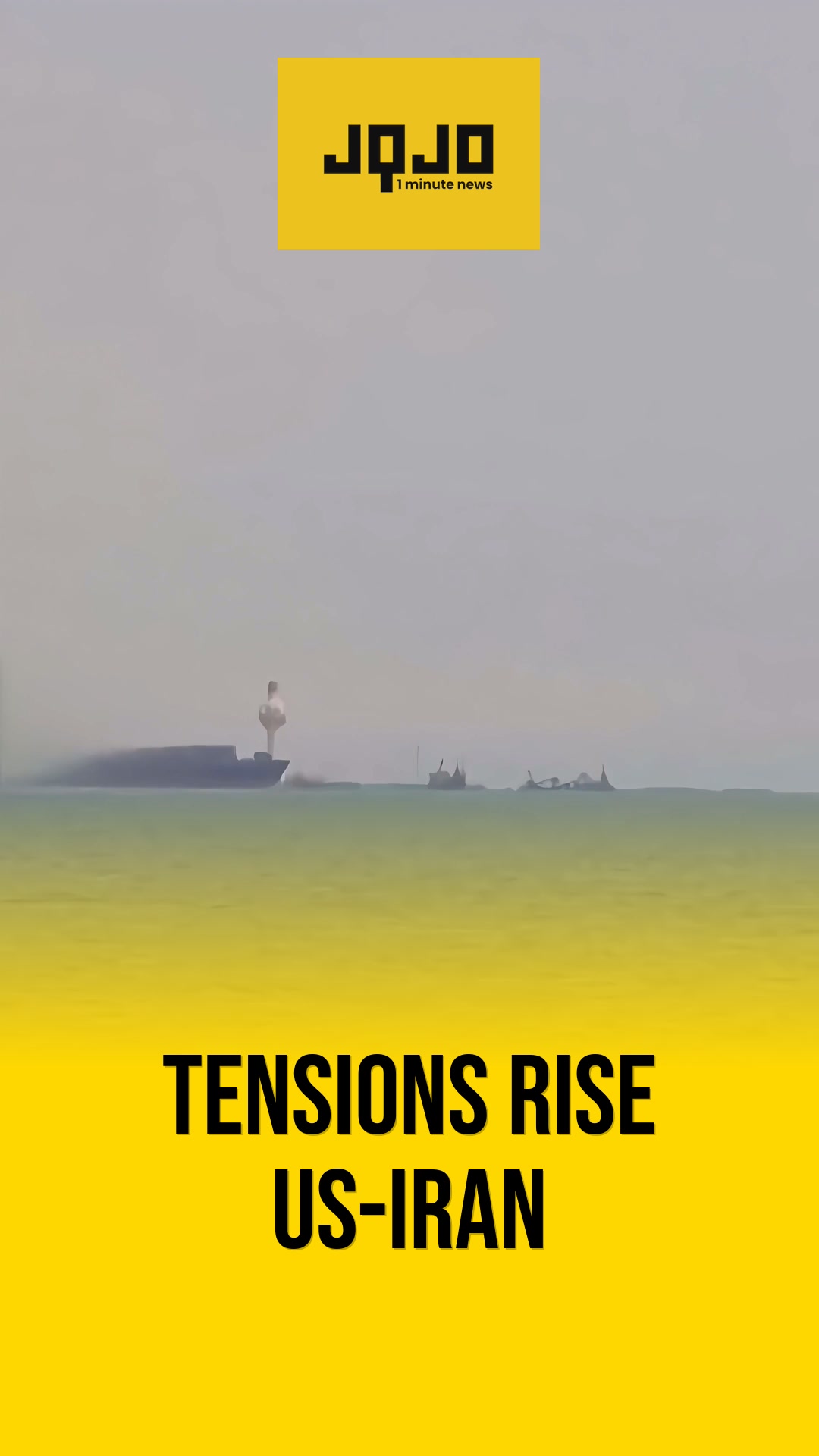
Washington — President Donald Trump on Sunday issued a blunt warning to Iran on Truth Social, saying 'the clock is ticking' and urging Tehran to accept a peace agreement or face severe consequences. The statement followed a series of US and Israeli strikes that began on 28 February and disrupted activity in the Strait of Hormuz. This week the warning coincided with renewed regional strain after drone strikes near the United Arab Emirates and reports of a fire at the Barakah nuclear plant without radiation leaks; Trump spoke by phone with Israeli Prime Minister Benjamin Netanyahu and said planned strikes were paused at Gulf states' request while negotiations continue.
Prepared by Lauren Mitchell and reviewed by editorial team.
Timeline of Events
- 28 February 2026: Large-scale US and Israeli strikes begin, escalating regional conflict.
- 8 April 2026: Temporary truce reached through mediation by Pakistan.
- Mid-May 2026: Drone attacks target Gulf states; UAE reports fire at Barakah plant without casualties or radiation leaks.
- Sunday (this week): President Trump posts a warning on Truth Social telling Iran 'the clock is ticking.'
- Monday (this week): Trump pauses planned strikes after Gulf states request talks; phone call with Israeli leader reported.
Why This Matters to You
The escalating tension in the Gulf can impact oil prices. This could mean higher gas prices at your local station. Keep an eye on your fuel budget.
The Bottom Line
President Trump's warning to Iran signals a potential escalation in conflict. If negotiations fail, the situation could worsen. Worth forwarding if you know someone who's watching the gas prices.
- Articles Published:
- 11
- Right Leaning:
- 0
- Left Leaning:
- 2
- Neutral:
- 9
- Distribution:
- Left 18%, Center 82%, Right 0%
Military suppliers and strategic allies may receive increased demand for arms, intelligence support, and influence as regional states seek deterrence amid heightened tensions and disrupted maritime trade.
Civilians in the Gulf region, regional economies dependent on shipping through the Strait of Hormuz, and nuclear facility operators face elevated security risks, supply-chain disruptions, and diplomatic strain following drone attacks and renewed threats.
Coverage of Story:
From Left
Trump's tough-talk foreign policy is hitting a wall with Iran as it grips Strait of Hormuz
News 4 Jax LatestLYFrom Center
Trump Warns Iran As Gulf Drone Attacks Escalate
NEO TV | Voice of Pakistan WSBT National Accord Newspaper UrduPoint West Hawaii Today Yonhap News Agency Bangladesh Sangbad Sangstha (BSS) The Hans India Social News XYZFrom Right
No right-leaning sources found for this story.

Comments