Michigan Student Becomes First U.S. Woman in Welding
Tap title to read story
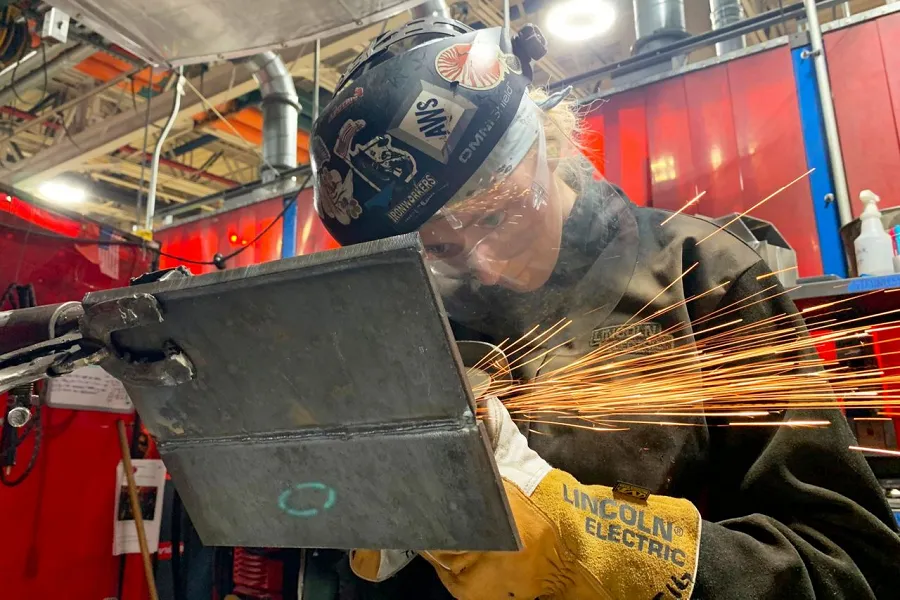
ANN ARBOR, Mich. — Mikala Sposito, a 21-year-old student from Dexter enrolled at Washtenaw Community College, won the USA Weld Trials in Huntsville earlier this year and will be the first woman to represent the United States in welding at the WorldSkills Competition in Shanghai, China. Reporters quoted Sposito saying the competition was very close.
The selection advances Sposito to international competition later this year and spotlights Washtenaw Community College’s welding program, which has produced six WorldSkills qualifiers and more welding competitors than any other U.S. school according to the college. Her instructor, Alex Pazkowski, a former WorldSkills medalist, is cited as a mentor in the coverage.
More context
Timeline
- 1. Childhood: Sposito expresses early desire to be a trailblazer.
- 2. Enrollment: Sposito studies welding at Washtenaw Community College.
- 3. Trials: She wins the USA Weld Trials in Huntsville earlier this year.
- 4. Selection: She qualifies as the first U.S. woman for WorldSkills welding.
- 5. Competition: She will compete at the WorldSkills Competition in Shanghai, China.
Why it matters
Mikala Sposito's achievement highlights the opportunities in non-traditional careers for women. If you're a parent, consider discussing diverse career paths with your children. If you're a student, explore all options, not just the typical ones.
Sources
JQJO Editorial Desk · Human reviewed · AI assisted. Report a correction.