Iran plans Hormuz tolls as Trump issues warning
Tap title to read story
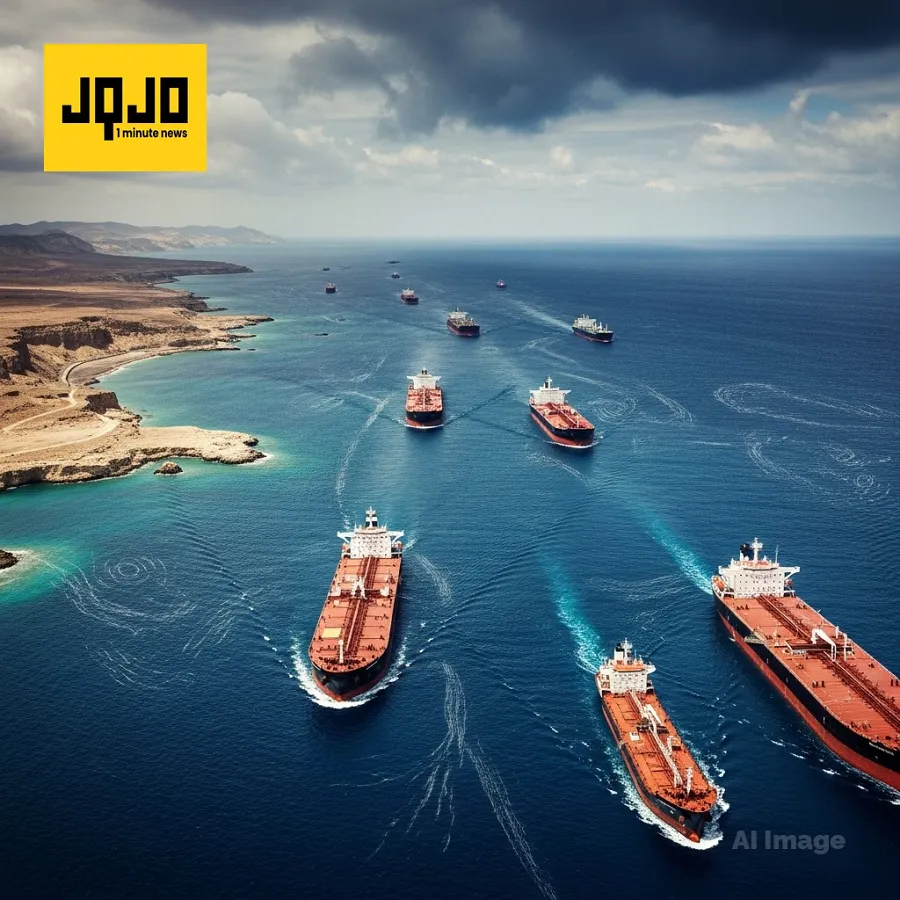
Tehran has developed a new mechanism to control and manage maritime traffic through the Strait of Hormuz, according to Ebrahim Azizi, head of Iran’s parliamentary national security commission, who announced the move on social media. The Islamic Revolutionary Guard Corps is reportedly establishing a de facto toll system requiring commercial vessels to submit full documentation and cargo details, and plans to charge about $1 per barrel of oil in transit, with some payments already occurring in Chinese yuan. Former U.S. President Donald Trump warned that ships paying such “illegal” tolls would not have safe passage, adding to market anxiety as Brent crude climbed to $109.26 and U.S. Treasury yields and major equities swung sharply.
More context
Timeline
- Recently, Azizi announces Hormuz control mechanism
- Recently, IRGC establishes de facto shipping tolls
- Recently, vessels required documentation and cargo details
- Recently, Iran plans one-dollar-per-barrel transit fee
- Recently, some ships reportedly pay charges in yuan
- Recently, Trump warns against paying Iranian tolls
- Recently, Brent crude spikes above $109 per barrel
- Recently, US bond yields rise, equities tumble
Why it matters
This situation could affect your wallet. If Iran charges a toll on oil transit, it could push global oil prices higher. That means you might pay more at the gas pump. Keep an eye on fuel prices in your area.
JQJO Editorial Desk · Human reviewed · AI assisted. Report a correction.