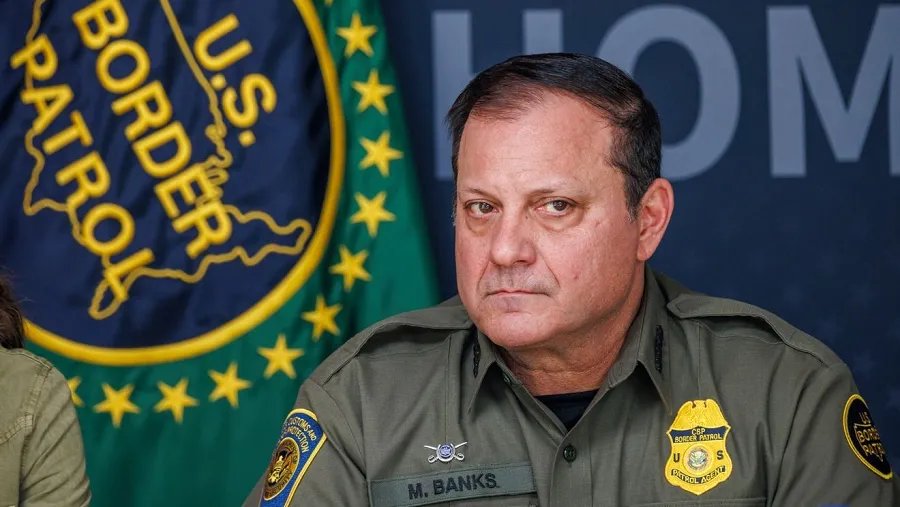
Border Patrol chief Michael Banks announces his resignation
Tap title to read story
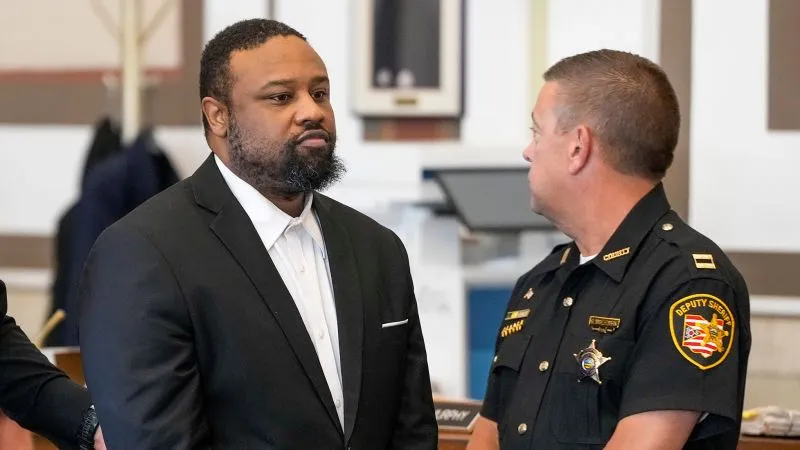
Washington — Border Patrol Chief Michael Banks announced his resignation on Thursday, saying he is leaving after more than 23 years with the agency. Banks' career spanned multiple units including ATVs, horse patrol, bikes, boats and investigations; the announcement was reported May 15 and later confirmed by Department of Homeland Security and CBP statements.
The resignation leaves the Border Patrol without a named successor and prompted public acknowledgments from U.S. Customs and Border Protection Commissioner Rodney Scott, who thanked Banks for his service. This week agencies confirmed the departure and indicated interim arrangements will be required while DHS and administration officials identify a permanent successor amid recent turnover in immigration enforcement leadership.
More context
Timeline
- 1. Circa 2000: Banks applied to the Border Patrol after military service.
- 2. Over 23 years: Banks served in multiple Border Patrol units and leadership roles.
- 3. Prior to returning: Banks retired to work for Texas, citing morale and security concerns under the Biden administration.
- 4. Return to leadership: Banks later returned to lead Border Patrol under the subsequent administration.
- 5. May 15: Banks announced his resignation; DHS and CBP confirmed and no successor announced.
Why it matters
Banks' departure could impact border security. This may affect immigration policies and enforcement. If you live near a border, keep an eye on local news. Changes could impact your community.
Sources
JQJO Editorial Desk · Human reviewed · AI assisted. Report a correction.