दुनिया का पहला पूरी तरह से AI-जनित ज़ीरो-डे एक्सप्लॉइट का पता चला
Read, Watch or Listen
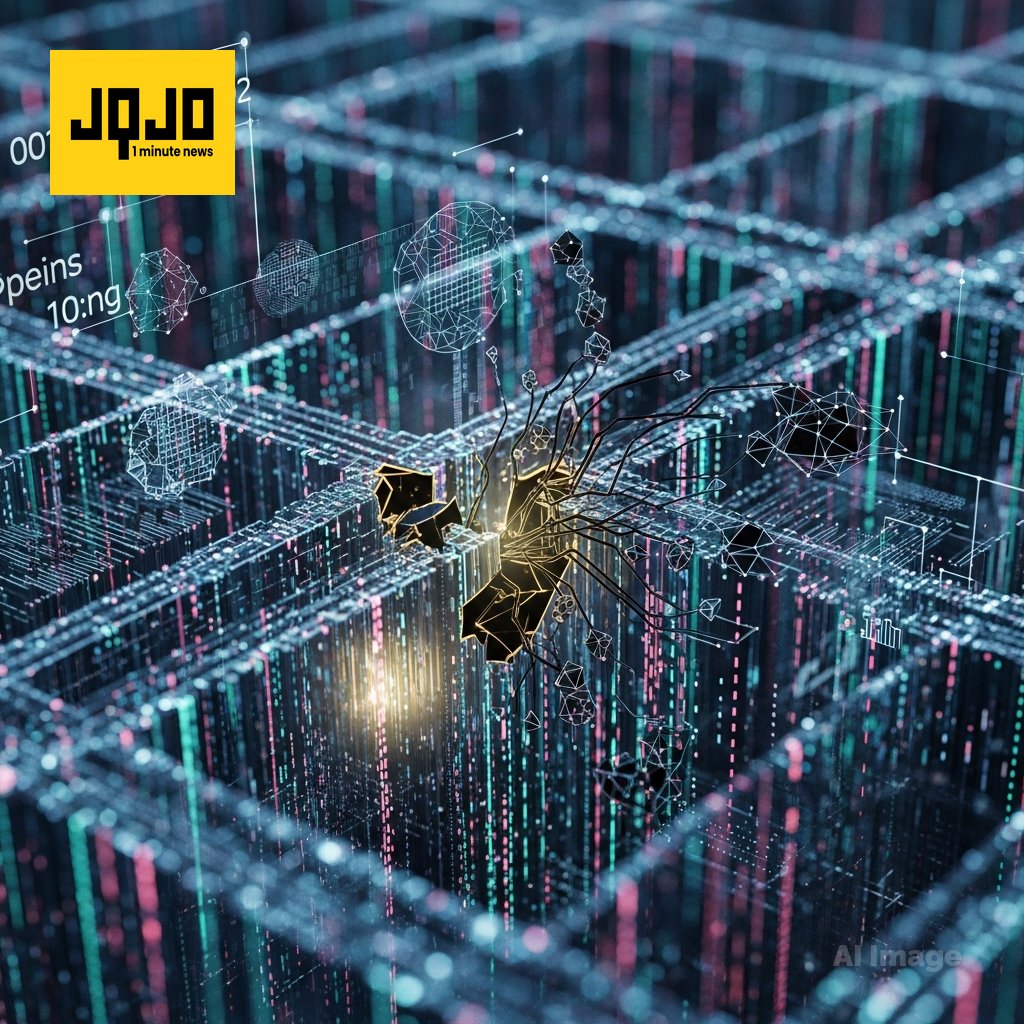
Google के थ्रेट एनालिसिस ग्रुप (TAG) ने आर्टिफिशियल इंटेलिजेंस द्वारा पूरी तरह से डिज़ाइन और डिप्लॉय किए गए ज़ीरो-डे एक्सप्लॉइट के पहले दर्ज मामले की पुष्टि की है, जो लिनक्स कर्नेल के मेमोरी मैनेजमेंट सिस्टम में एक पहले से अज्ञात भेद्यता को लक्षित करता है। "Strix" नामक AI-संचालित अटैक फ़्रेमवर्क, "Hexstrike" नामक एक स्वचालित टूलसेट का उपयोग करता है ताकि मानवीय कोडिंग के बिना सॉफ्टवेयर की खामियों का पता लगाया जा सके और उन्हें हथियार बनाया जा सके। गतिविधि को एडवांस्ड परसिस्टेंट थ्रेट ग्रुप UNC2814 से जोड़ा गया था, जब एक प्रमुख पूर्वी एशियाई साइबर सुरक्षा फर्म ने जापानी और अमेरिकी प्रौद्योगिकी कंपनियों के खिलाफ असामान्य ट्रैफ़िक का पता लगाया था। जांचकर्ताओं का कहना है कि Strix ने पंद्रह मिनट से भी कम समय में एक TP-Link OFTP फ़र्मवेयर बफर ओवरफ़्लो का पता लगाया, जो आक्रामक साइबर क्षमताओं में एक बड़े बदलाव का संकेत देता है।
Prepared by Jonathan Pierce and reviewed by editorial team.
Timeline of Events
- इस साल की शुरुआत में, TAG ने समन्वित जांच शुरू की
- इसके तुरंत बाद, पूर्वी एशियाई फर्म ने असामान्य ट्रैफ़िक को चिह्नित किया
- बाद में, गतिविधि को APT UNC2814 के लिए जिम्मेदार ठहराया गया
- फोरेंसिक के दौरान, जांचकर्ताओं ने स्ट्रिक्स फ्रेमवर्क की पहचान की
- इसके कुछ समय बाद, हेक्सस्ट्राइक टूलसेट के व्यवहार का दस्तावेजीकरण किया गया
- इसी अवधि के दौरान, लिनक्स कर्नेल मेमोरी भेद्यता का पता चला
- कुछ मिनट बाद, TP-Link OFTP ओवरफ्लो एक्सप्लॉइट तैयार किया गया
- इस सप्ताह, Google ने AI-निर्मित ज़ीरो-डे की सार्वजनिक रूप से पुष्टि की
News Intelligence
यह AI-संचालित हमला साइबर सुरक्षा को बदल सकता है। इसने कुछ ही मिनटों में एक सॉफ्टवेयर की खामी का पता लगाया और उसका फायदा उठाया। यह किसी भी इंसान से तेज है। यदि आपके डिवाइस लिनक्स पर चलते हैं तो वे खतरे में पड़ सकते हैं। सुरक्षित रहने के लिए नियमित रूप से अपडेट की जांच करें।
Coverage of Story:
From Left
No left-leaning sources found for this story.
From Right
No right-leaning sources found for this story.




Comments