US and Iran clash; blockade tests tenuous ceasefire
PUBLISHED May 8, 2026, 11:24 PM ET
Read, Watch or Listen
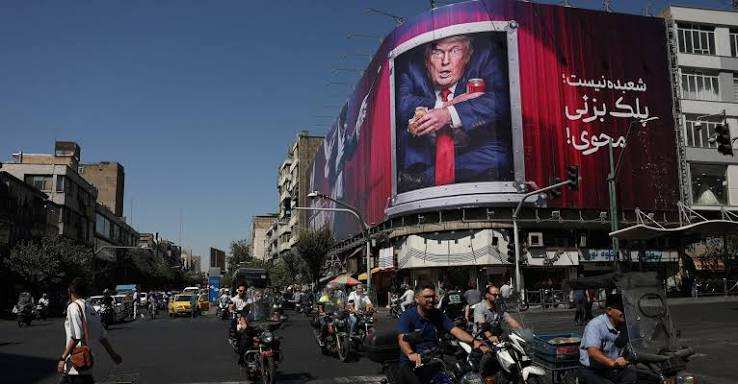
Washington: U.S. naval forces have maintained a blockade of Iranian ports imposed about a month ago, and this week exchanges of fire occurred in and around the Strait of Hormuz, including renewed attacks on the United Arab Emirates on Friday, as diplomats reported a tenuous ceasefire that began roughly a month earlier. Washington also said it had proposed terms to formally end the war and begin talks; Secretary of State Marco Rubio said on Friday he expected Tehran's response within hours, but none arrived by May 9. A U.S. intelligence assessment cited that Iran could withstand a blockade for four months, while some officials disputed that finding.
By Moonie | JQJO News
Timeline of Events
- Roughly one month before recent reporting: a tenuous ceasefire took effect.
- About a month ago: the United States imposed a naval blockade on Iranian ports.
- In the following weeks: dozens of Iranian tankers remained off the coast, unable to transit.
- In recent days: the largest flare-ups around the Strait of Hormuz since the ceasefire were reported, and the UAE was attacked on Friday.
- On May 9: a Qatari LNG tanker sailed toward the Strait with apparent Iranian approval while Tehran's formal response to U.S. proposals remained outstanding.
News Intelligence
- This U.S.-Iran tension could affect your wallet. A blockade on Iran can disrupt global oil supplies, potentially raising gas prices. Keep an eye on your local gas station prices. If they start to climb, consider carpooling or public transit to save money.
- Articles Published:
- 12
- Right Leaning:
- 0
- Left Leaning:
- 1
- Neutral:
- 11
- Distribution:
- Left 8%, Center 92%, Right 0%
Qatar secured approval for an LNG tanker transit through the Strait, and shipping firms and ports handling diverted cargo saw increased commercial activity as energy shipments rerouted.
Iran's economy faced prolonged strain from the U.S. naval blockade, the UAE experienced renewed attacks, and regional trade and energy markets endured disruption and volatility.
Coverage of Story:
From Center
US and Iran clash; blockade tests tenuous ceasefire
Republic World Free Malaysia Today CNA CNA CNA The Cambodia News Nikkei Asia NTD Sowetan Nikkei Asia Nikkei AsiaFrom Right
No right-leaning sources found for this story.


Comments