U.S. Ends Campaign Phase, Shifts to Hormuz Escorts
PUBLISHED May 5, 2026, 5:49 PM ET
Read, Watch or Listen
Washington — On Tuesday U.S. Secretary of State Marco Rubio said the United States had concluded the Epic Fury phase of its military campaign against Iran and announced a shift to 'Project Freedom' aimed at reopening the Strait of Hormuz and guiding commercial vessels through the waterway. This week Rubio and U.S. officials said naval operations will prioritize escorting shipping and restoring transit after weeks of disruptions; U.S. Central Command reported only two U.S.-flagged merchant ships transited compared with roughly 130 per day before the conflict, and the administration notified Congress following the War Powers time threshold.
By Najma A. | JQJO News
Timeline of Events
- Feb. 28 — Large-scale U.S. military campaign against Iran reported to have begun.
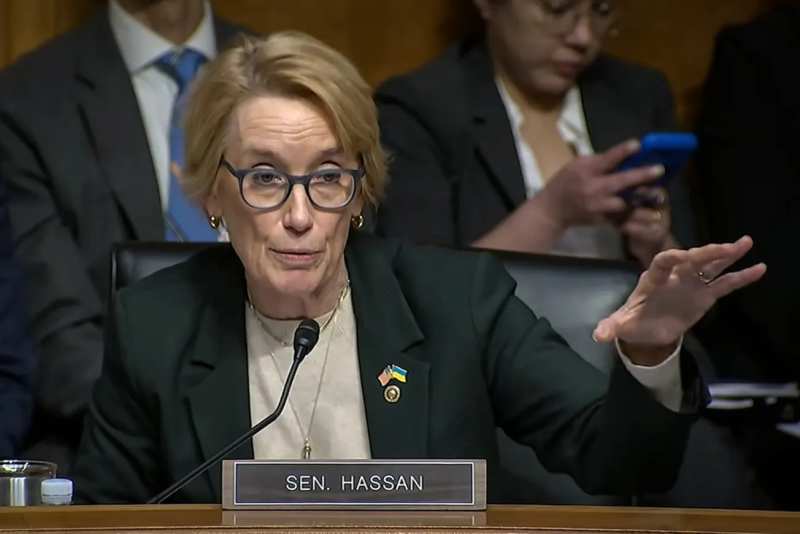
- Early May — U.S. administration reached the 60-day War Powers threshold and informed Congress.
- May 5 — Secretary of State Marco Rubio said Epic Fury is over.
- May 6 — Rubio announced Project Freedom to reopen the Strait of Hormuz and guide vessels.
- This week — U.S. Central Command reported limited ship transits; naval escorts facilitated some passages.
News Intelligence
- The Strait of Hormuz is a key global oil route. Disruptions can spike gas prices. If Project Freedom succeeds, expect stable or lower pump prices. Keep an eye on your local gas station.
- Articles Published:
- 11
- Right Leaning:
- 1
- Left Leaning:
- 1
- Neutral:
- 9
- Distribution:
- Left 9%, Center 82%, Right 9%
U.S. strategic posture and international shipping firms stand to benefit from reopened Hormuz transit and restored trade flows.
Iran's economy and its regional leverage suffered from sanctions, maritime restrictions, and loss of shipping revenue.
Coverage of Story:
From Left
Four takeaways from Rubio: U.S. shifts from Iran war phase to Hormuz transit
english.news.cnFrom Center
U.S. Ends Campaign Phase, Shifts to Hormuz Escorts
Al-Monitor BERNAMA Daily Pakistan Global INDToday United News of India NEO TV | Voice of Pakistan S A N A S A N A The Assam Tribune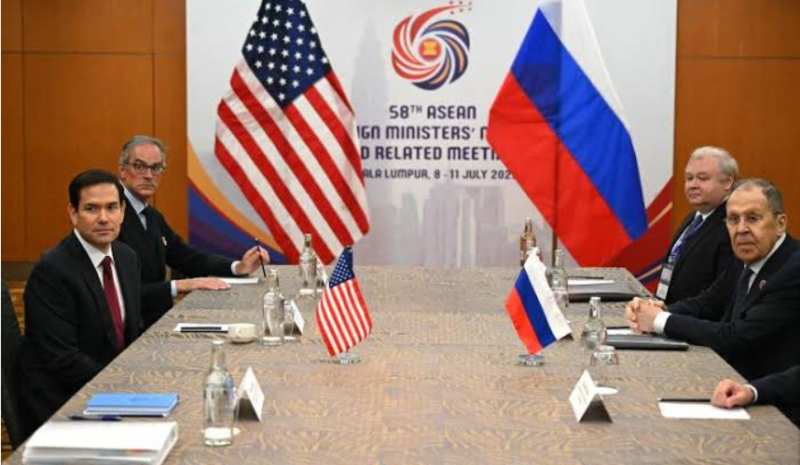


Comments