Supreme Court curbs race-based redistricting in 6-3 decision
PUBLISHED Apr 29, 2026, 12:09 PM ET
Read, Watch or Listen
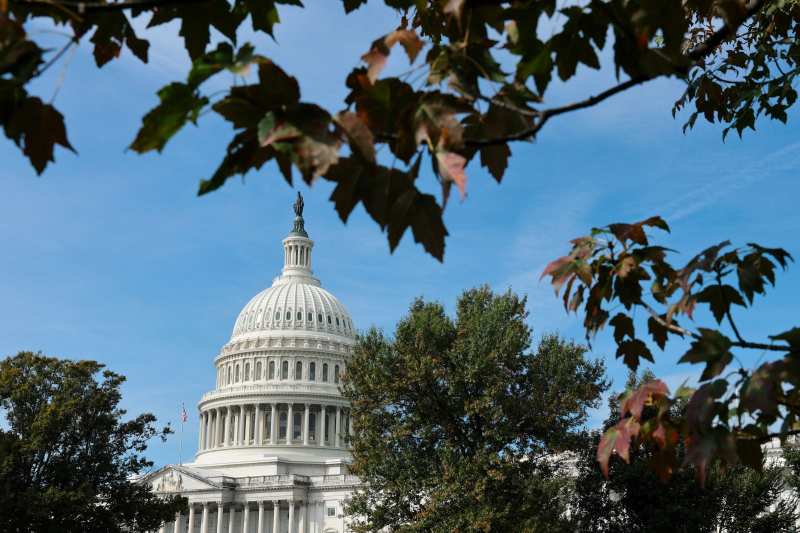
Washington — On Wednesday, the U.S. Supreme Court ruled 6-3 that drawing congressional districts predominantly on the basis of race violates the 14th Amendment, overturning a Louisiana majority-Black district. Justice Samuel A. Alito wrote that states may pursue partisan advantage but may not use race as the primary redistricting criterion. The decision arose in Louisiana v. Callais. Atlanta and state capitals this week saw immediate political responses: Georgia Republicans urged lawmakers to redraw maps, Florida officials cited the ruling to justify proposed GOP-favoring maps, and legal and legislative actors signaled preparation for litigation and map changes ahead of upcoming election cycles. The outcome could affect representation and partisan balance in several Southern states.
By Najma A. | JQJO News
Timeline of Events
- Preceding years: majority-minority districts were employed under the Voting Rights Act as remedies.
- Louisiana case filed and litigated, reaching the U.S. Supreme Court as Louisiana v. Callais.
- Wednesday: Supreme Court issues a 6-3 opinion restricting race-based redistricting.
- Same week: Georgia Republicans call to redraw maps; Florida officials cite the decision when unveiling maps.
- States, voting-rights groups, and courts prepare for litigation and map changes ahead of future elections.
News Intelligence
- This ruling could shift political power in your state. It may change who represents you in Congress. Watch for news on redistricting in your area. If you're in a majority-minority district, your voting power might be affected.
Coverage of Story:
From Left
US Supreme Court limits use of race in congressional district remaps, diluting Voting Rights Act
Rough Draft AtlantaFrom Center
Supreme Court curbs race-based redistricting in 6-3 decision
Los Angeles Times DNyuz https://www.wrdw.com DNyuz CBS 8 - San Diego News Malay Mail ABC7 Internazionale The New Indian ExpressFrom Right
'Redraw the maps now' | Georgia Republicans seize on Supreme Court gerrymandering ruling
https://www.atlantanewsfirst.com



Comments