U.S. Expands Naval Blockade, Iran Offered Deal Window
Tap title to read story
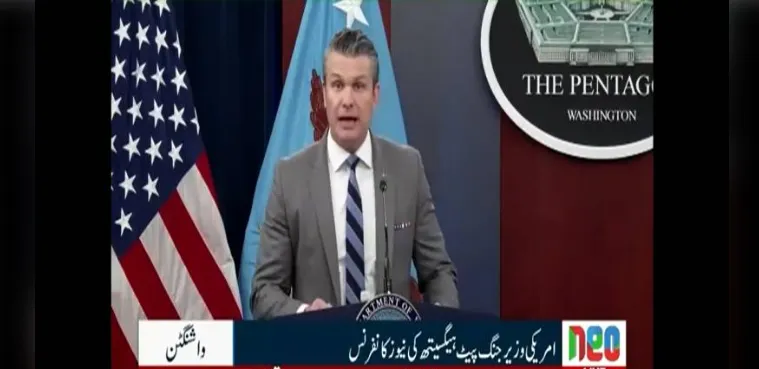
Washington. U.S. Defense Secretary Pete Hegseth said on Friday that the United States has widened a naval blockade targeting Iranian ports and vessels and is expanding the operation globally. He told reporters, "Our blockade is growing and going global," and said U.S. forces have so far redirected 34 ships attempting to pass through the Strait of Hormuz. He added, "No one sails from the Strait of Hormuz to anywhere in the world without the permission of the United States Navy." Hegseth said U.S. forces have seized several vessels linked to Iran, and that commercial ships will be required to comply with U.S. conditions.
Washington. Hegseth said the Defense Department, under the direction of Donald Trump, will ensure Iran cannot acquire nuclear weapons. He said Washington prefers to resolve the issue through diplomacy and a verifiable agreement but warned that if Tehran refuses to change its stance the United States is prepared to stop it "the hard way." He described the measures as a full naval blockade intended to increase pressure on Tehran and said the operations could deal a severe blow to Iran's economy as they continue.
More context
Timeline
- 1. April 13: Lloyd's List Intelligence reports 11 tankers exited the Gulf of Oman with Iranian cargo.
- 2. Early April: U.S. begins Operation Epic Fury maritime enforcement measures in the region.
- 3. April 24: Pete Hegseth tells reporters the blockade is "growing and going global."
- 4. April 24: U.S. officials report 34 ships redirected away from Iranian ports.
- 5. April 25: International outlets report two Iranian ships seized and continued shadow fleet activity.
Why it matters
This naval blockade could impact oil prices. Iran is a major oil producer. If their exports drop, global oil prices may rise. That could mean higher gas prices here at home. Keep an eye on your local gas prices.
Sources
JQJO Editorial Desk · Human reviewed · AI assisted. Report a correction.