U.S. Leadership Confusion Ahead of Islamabad Negotiations
Tap title to read story
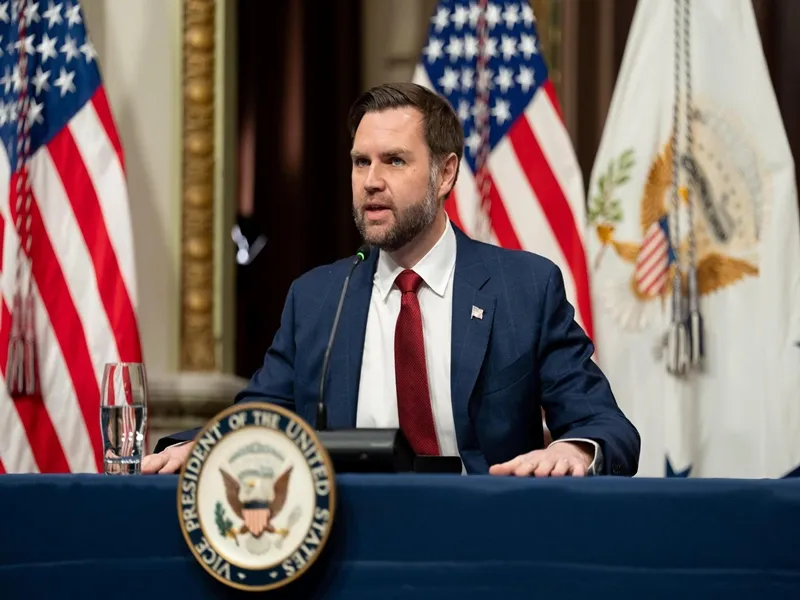
Washington: Vice President J.D. Vance’s planned travel to Islamabad to lead U.S. talks with Iran became uncertain on Sunday when President Donald Trump said Vance would not go, citing Secret Service concerns about arranging security on 24 hours’ notice, while White House officials subsequently indicated Vance and other senior aides would attend next week’s negotiations.
Islamabad: The conflicting statements prompted rapid reporting and logistical updates this week; CNN and The New York Times cited White House sources saying Jared Kushner and Steve Witkoff would join and that delegations are due by Monday evening for meetings on Tuesday and Wednesday, with officials noting a fragile ceasefire and possible further decisions depending on negotiation outcomes.
More context
Timeline
- 1. President Trump said on Sunday that Vice President Vance would not travel due to security concerns and 24-hour notice limitations.
- 2. CNN and The New York Times reported that White House officials contradicted Trump, saying Vance would attend the Islamabad talks.
- 3. Reports named Jared Kushner and Steve Witkoff as members of the U.S. delegation and indicated arrival by Monday evening.
- 4. MM NEWS reported that after 48 hours of conflicting signals the White House confirmed Vance would lead the delegation.
- 5. Negotiations were scheduled for Tuesday and Wednesday amid notes of a fragile ceasefire and heightened diplomatic urgency.
Why it matters
This confusion in U.S. leadership could affect international relations, especially with Iran. It's a reminder of the importance of clear communication in politics. Keep an eye on the news for updates on the Islamabad talks.
Sources
JQJO Editorial Desk · Human reviewed · AI assisted. Report a correction.