Trump: Talks Progress as Hormuz Reopens During Ceasefire
Tap title to read story
Washington. President Donald Trump said on Friday that talks with Iran were 'looking very good' and noted that Iran's foreign minister declared the Strait of Hormuz completely open during a 10‑day ceasefire between Israel and Lebanon, signaling a window for resumed negotiations this weekend; he told reporters outside the White House a formal signing could occur in Islamabad if an agreement is reached.
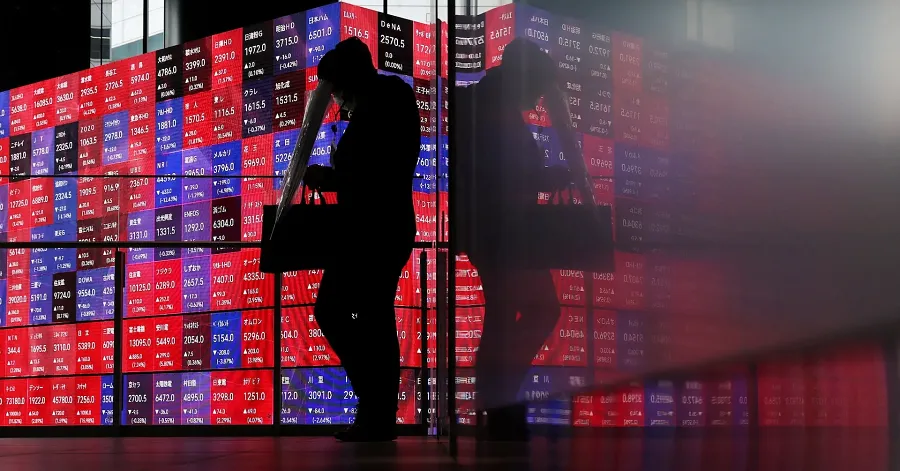
Markets reacted immediately on Friday: Brent crude fell about 10 percent to roughly $89 per barrel and WTI dropped to about $81.50, while stock indices gained on reduced supply‑risk; Trump posted on Truth Social that the U.S. naval blockade on Iran would remain 'in full force' until a transaction is '100 percent complete', and Tehran has not publicly confirmed any concessions.
More context
Timeline
- 1. Feb 28 — US‑Israeli attack on Iran reported to have initiated hostilities.
- 2. Mid‑April — A 10‑day ceasefire between Israel and Lebanon came into effect.
- 3. April 17 — Iran's Foreign Minister Abbas Araghchi announced the Strait of Hormuz was 'completely open'.
- 4. April 17 — President Trump said talks with Iran were 'looking very good' and mentioned possible weekend meetings and Islamabad as a signing location.
- 5. April 17 — Markets reacted: Brent and WTI fell roughly 10%; Trump reaffirmed U.S. naval blockade remains until a deal is complete.
Why it matters
The reopening of the Strait of Hormuz affects your wallet. It's a major oil route. When it's open, global oil prices can drop. That's what happened on Friday. You might see lower gas prices soon.
Sources
JQJO Editorial Desk · Human reviewed · AI assisted. Report a correction.