Mercados financieros globales absorben volatilidad del conflicto de Oriente Medio sin interrupciones mayores, según FMI
PUBLISHED Apr 14, 2026, 11:35 PM ET
Read, Watch or Listen
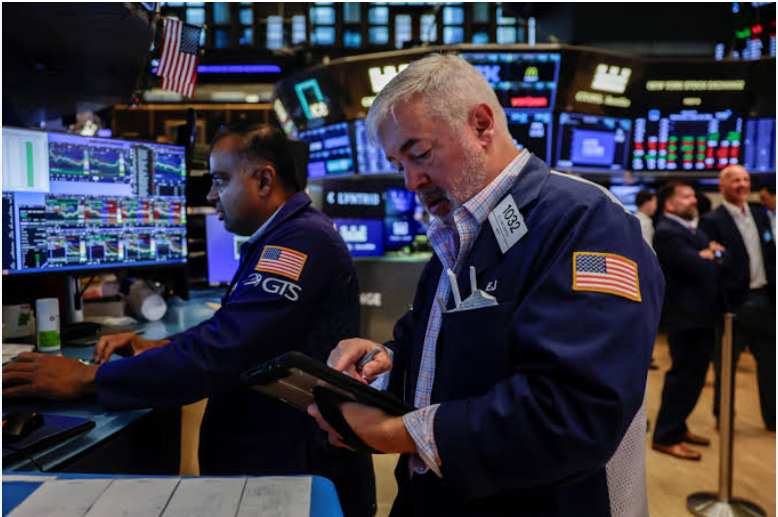
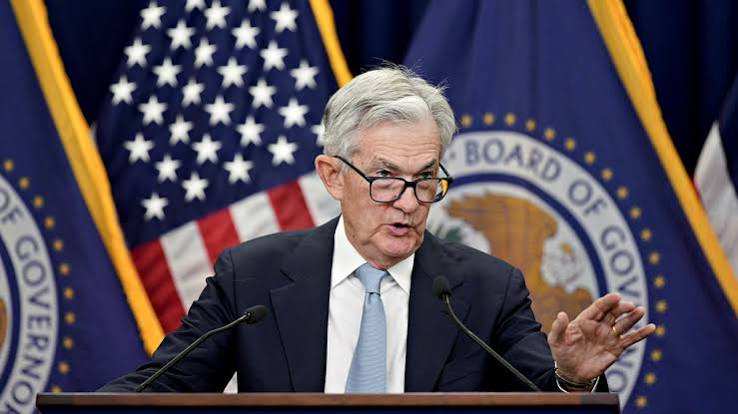
Washington: El Fondo Monetario Internacional (FMI) dijo que los mercados financieros globales han absorbido hasta ahora la volatilidad del conflicto de Oriente Medio sin interrupciones importantes, al presentar su Informe de Estabilidad Financiera Global. El Consejero Financiero del FMI, Tobias Adrian, dijo que los mercados han funcionado de manera ordenada, sin llamadas de margen generalizadas ni desapalancamiento forzado, y que los bancos se mantienen bien capitalizados y líquidos. Advirtió, sin embargo, que la elevada deuda pública y privada, los riesgos de refinanciación y el creciente papel de las instituciones financieras no bancarias podrían amplificar el estrés y desestabilizar los mercados si las condiciones empeoran. Adrian también señaló que el espacio de política se ha reducido en muchos países después de años de apoyo a las crisis, instando a las autoridades a monitorear de cerca los riesgos y a estar preparadas para inyectar liquidez si fuera necesario. El FMI dijo que el conflicto ha elevado los precios del petróleo y las expectativas de inflación a corto plazo, aunque los mercados actualmente ven las expectativas a largo plazo como ancladas. Los mercados emergentes enfrentan presiones adicionales de flujos de capital volátiles y mayores costos de energía, mientras que el FMI señaló riesgos de la inteligencia artificial y la ciberseguridad y pidió una mayor preparación regulatoria y operativa. Sobre el crédito privado, el informe juzgó el riesgo de incumplimiento manejable por ahora, con mecanismos como las puertas de redención que ayudan a limitar los contagios sistémicos.
By Michael Grant | JQJO News
Timeline of Events
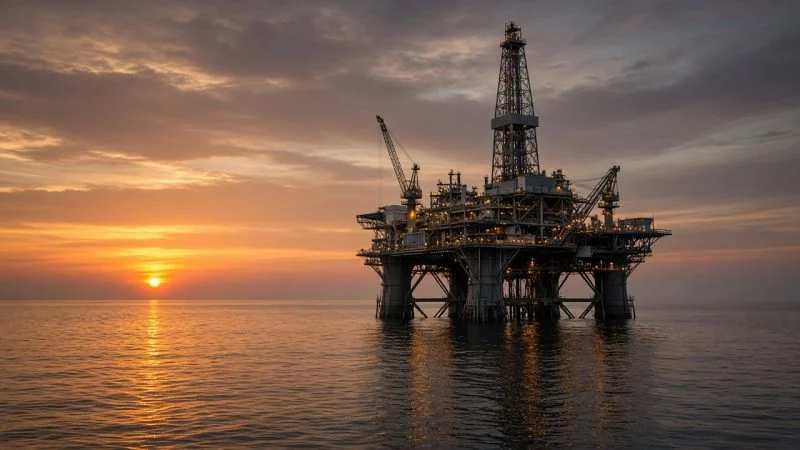
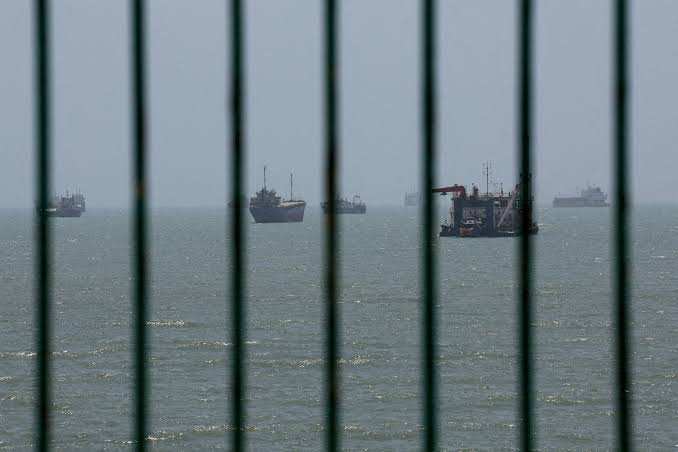
- El conflicto en Asia occidental interrumpe la producción de energía y las rutas de envío.
- El Informe de Estabilidad Financiera Mundial del FMI señala la resiliencia del mercado (15 de abril).
- Las Perspectivas de la Economía Mundial del FMI recortan el crecimiento de MENA en 2026 al 1,1 por ciento.
- El Monitor Fiscal del FMI aconseja transferencias específicas en lugar de subsidios generalizados al combustible (mediados de abril).
- El FMI insta a medidas fiscales y monetarias coordinadas como próximos pasos para mitigar el riesgo.
News Intelligence
- El informe del FMI afecta a su cartera. El conflicto en Oriente Medio puede hacer subir los precios del petróleo, lo que se traduce en un aumento de los costes del gas y la energía. Si tiene inversiones en mercados emergentes, tenga en cuenta que estos se enfrentan a presiones adicionales debido a estas condiciones volátiles. Vigile sus facturas de energía y sus inversiones.
- Articles Published:
- 4
- Right Leaning:
- 0
- Left Leaning:
- 0
- Neutral:
- 4
- Distribution:
- Left 0%, Center 100%, Right 0%
Los países que pueden normalizar rápidamente las exportaciones de energía y diversificar sus economías se beneficiarán de la restauración de los flujos comerciales y de un mayor espacio fiscal, reduciendo las presiones inmediatas sobre la balanza de pagos.
Los productores de petróleo y gas con infraestructuras dañadas y economías expuestas a rutas de envío interrumpidas enfrentan fuertes contracciones del PIB y tensión fiscal este año.
Coverage of Story:
From Left
No left-leaning sources found for this story.
From Center
Mercados financieros globales absorben volatilidad del conflicto de Oriente Medio sin interrupciones mayores, según FMI
Social News XYZ Arab News Myanmar News.Net Social News XYZFrom Right
No right-leaning sources found for this story.



Comments