Trump Rejects Return To Iran Talks After Stalemate
Tap title to read story
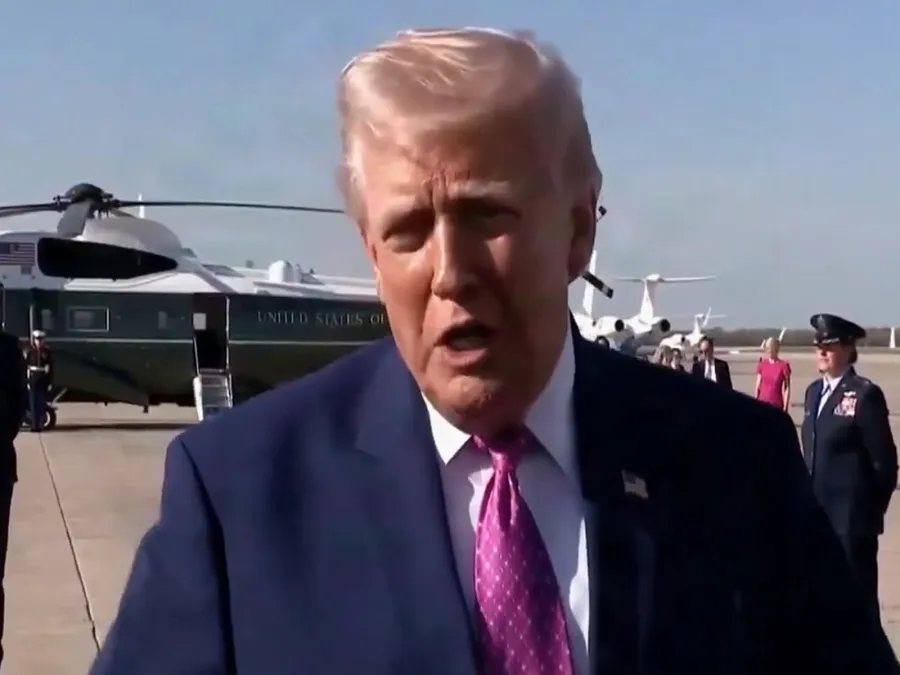
Speaking to reporters at Joint Base Andrews on April 13, President Donald Trump said he was indifferent to whether Iran returned to the negotiation table after talks in Islamabad stalled, asserting "I don't know. I don't care if they come back or not." He said Iran was "in very bad shape" and "very desperate," and claimed that after what he described as a month-long US military operation Tehran's missile stockpiles and the manufacturing capability for missiles and drones had been "largely depleted" or "largely defeated." Trump said the United States had been "very nice" and "haven't ripped down too many bridges," and he accused Iranian leaders of breaking promises under a two-week ceasefire, including a pledge to open the Strait of Hormuz.
Trump reiterated that Iran would not be allowed to obtain a nuclear weapon and announced a blockade of the Strait of Hormuz to begin "at 10 o'clock tomorrow," saying other nations were cooperating and that the United States Navy would begin intercepting vessels to prevent Iran profiting from passage. He posted that at some point an "all being allowed to go in, all being allowed to go out" basis would be restored but said the blockade was necessary amid Iranian claims about mines. The talks in Islamabad, which he said included a 21-hour meeting, ended in stalemate and Vice President JD Vance returned to the United States.
More context
Timeline
- 1. Over the month preceding April 13, the US conducted sustained military operations targeting Iranian capabilities.
- 2. Diplomatic negotiations were held in Islamabad seeking a complete halt to hostilities in West Asia.
- 3. The Islamabad talks reached a stalemate and did not produce an agreement to end hostilities.
- 4. US officials held extended discussions described by the president as a 21-hour meeting.
- 5. On April 13, President Trump publicly stated at Joint Base Andrews that he was indifferent to Iran resuming talks and claimed Iranian military depletion.
Why it matters
Tensions with Iran can affect global oil prices. Higher oil prices can mean higher gas costs for you. Also, if you have family in the military, they could be impacted by these developments. Keep an eye on the news.
Sources
JQJO Editorial Desk · Human reviewed · AI assisted. Report a correction.