U.S. backs final offer after Islamabad Iran talks fail
Tap title to read story
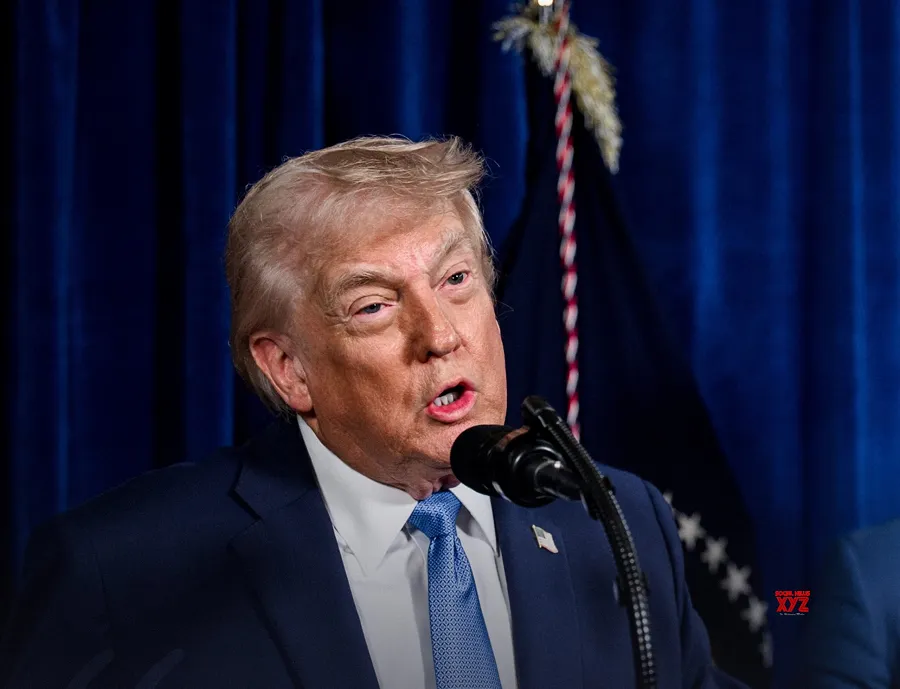
Washington: Senior U.S. officials said on April 12 that negotiations with Iranian representatives in Islamabad lasted roughly 21 hours and ended without an agreement; Vice President JD Vance told reporters that President Donald Trump was closely involved, and that the United States presented what it described as a 'final and best offer' to Tehran during the talks.
Immediate consequences include continued diplomatic stalemate and public reaction: U.S. officials said they pursued a deal in good faith but set clear limits, protesters in Baton Rouge demonstrated against negotiating with Iran, and regional strikes were reported around the same period; U.S. negotiators and the White House signaled next steps would depend on whether Tehran accepts the offered terms.
More context
Timeline
- 1. Regional strikes and a cited ceasefire reference occurred prior to the Islamabad meetings.
- 2. U.S. and Iranian delegations convened in Islamabad for high-stakes nuclear talks.
- 3. Talks continued for about 21 hours without reaching an agreement.
- 4. Vice President JD Vance briefed reporters and said Trump backed a 'final and best offer'.
- 5. Protesters in Baton Rouge demonstrated against the Iranian government and U.S. negotiations.
Why it matters
These talks affect global stability and your safety. If Iran doesn't accept the U.S. offer, tensions could rise. Watch for updates on this situation.
Sources
JQJO Editorial Desk · Human reviewed · AI assisted. Report a correction.