Artemis II Crew Completes Translunar Burn, Heads Moonward
PUBLISHED Apr 2, 2026, 11:31 PM ET
Read, Watch or Listen
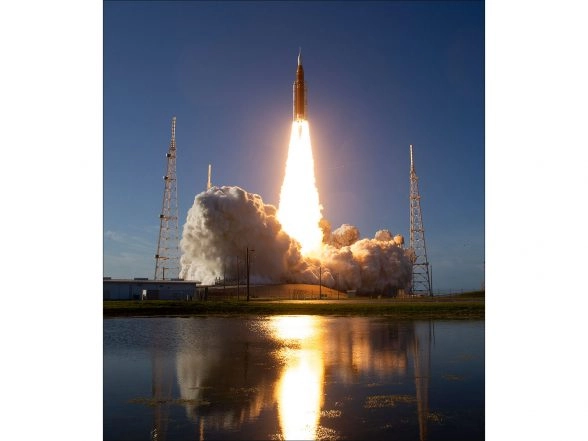
Florida — NASA's Artemis II crew fired Orion's main engine this week, executing a translunar injection burn that cleared Earth orbit and placed the spacecraft on a free‑return trajectory toward the Moon, with the burn lasting about five minutes and 49–50 seconds. The maneuver, performed after the 1 April SLS launch, validated ascent and propulsion operations; the four astronauts reported feeling well, teams will configure Orion on Day 3 for the lunar flyby, and the ten‑day mission will gather system performance data before re‑entry and return.
By Adyan K. | JQJO News
Timeline of Events
- 1 April 2026: SLS launches Artemis II from Kennedy Space Center at 6:35 p.m. ET.
- 1 April 2026 (≈8.5 minutes after liftoff): Core stage completes ascent and separates as planned.
- 2 April 2026, 7:49 p.m. ET: Orion fires main engine for ~5 minutes 49–50 seconds for translunar injection.
- 3 April 2026 (Day 3): Crew configure Orion for lunar flyby and adjust to onboard life.
- Early April 2026 (over 10 days): Artemis II performs lunar flyby, collects system data, and returns to Earth.
News Intelligence
- This lunar mission is a big step for space exploration. It's about understanding our universe better. It's also about the potential for future moon bases. That could mean new jobs in science, tech, and engineering. If you have kids, they might be part of this future.
Coverage of Story:
From Left
No left-leaning sources found for this story.
From Center
Artemis II Crew Completes Translunar Burn, Heads Moonward
LatestLY SpaceNews Asian News International (ANI) Malay Mail Spectrum News Bay News 9 Military & Aerospace Electronics New Vision LatestLY Asian News International (ANI) CBS NewsFrom Right
No right-leaning sources found for this story.

Comments