Supreme Court Weighs Challenge To Birthright Citizenship Order
Tap title to read story
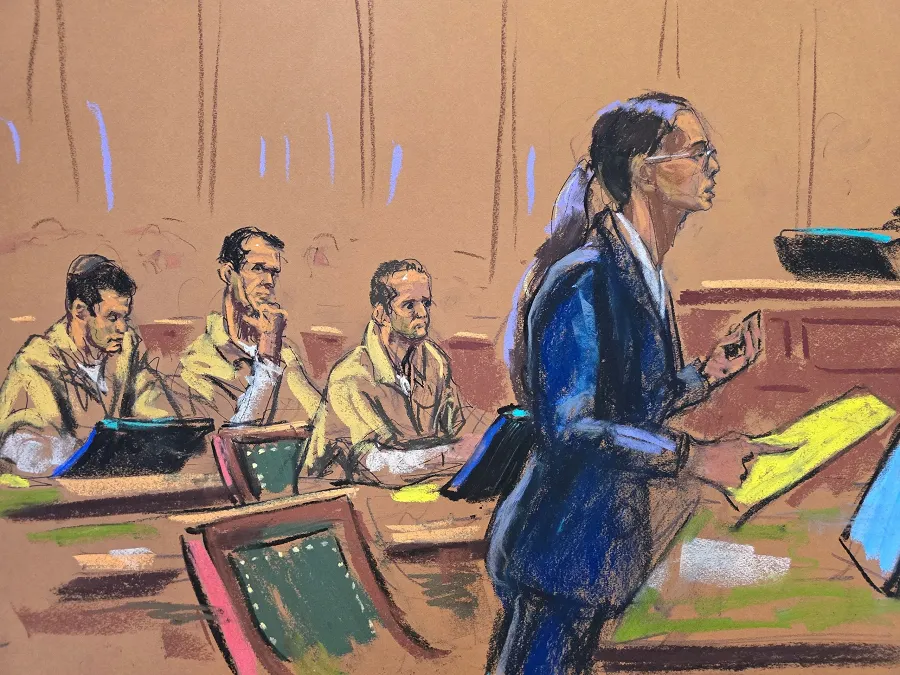
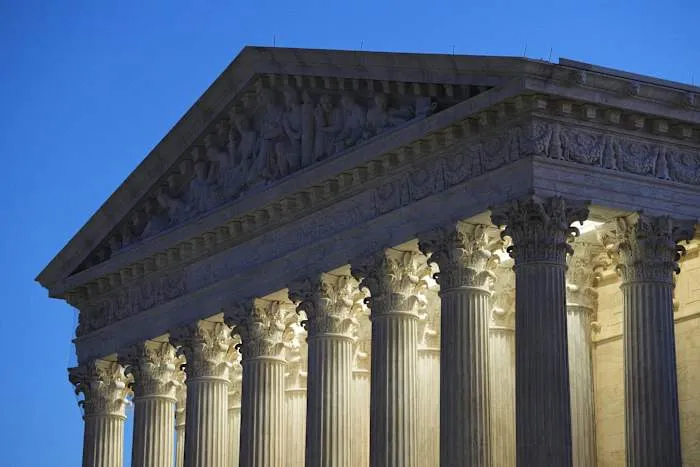
Washington — The Supreme Court on Wednesday heard arguments over President Trump's executive order seeking to end automatic birthright citizenship for children born in the United States to parents lacking permanent status, a legal test of whether the order violates the Citizenship Clause and related federal statutes.
This week, advocates and opponents presented constitutional and statutory arguments; federal courts previously blocked the order and a decision from the high court is expected by the end of June or early July, which could determine the administration's ability to implement the policy.
More context
Timeline
- 1. 1940: Nationality Act codified statutory language related to citizenship.
- 2. 1952: Immigration and Nationality Act reenacted federal statutes reflecting the Citizenship Clause.
- 3. Early in his second term: President Trump signed an executive order to end birthright citizenship.
- 4. Federal district courts issued injunctions and a New Hampshire judge found the order likely unconstitutional.
- 5. This week the Supreme Court heard arguments; a decision is expected by late June or early July.
Why it matters
This Supreme Court decision could redefine citizenship rules. If the order is upheld, children born in the U.S. to non-permanent residents may not automatically become citizens. This could impact families and communities nationwide.
Sources
JQJO Editorial Desk · Human reviewed · AI assisted. Report a correction.