Supreme Court Weighs Challenge To Birthright Citizenship Order
PUBLISHED Mar 30, 2026, 7:26 AM ET
Read, Watch or Listen
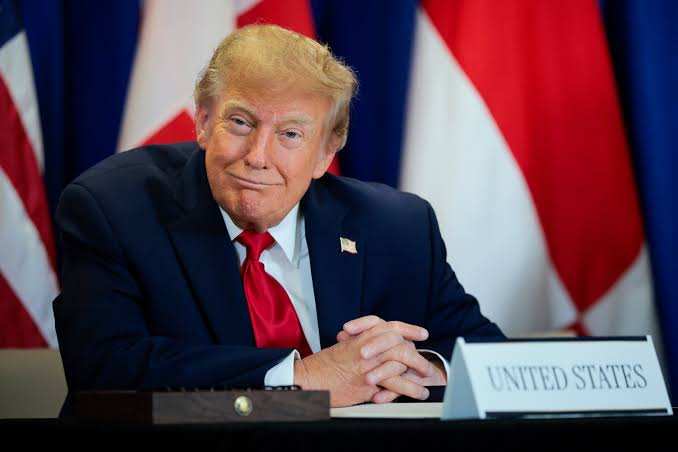
Washington — The Supreme Court on Wednesday heard arguments over President Trump's executive order seeking to end automatic birthright citizenship for children born in the United States to parents lacking permanent status, a legal test of whether the order violates the Citizenship Clause and related federal statutes. This week, advocates and opponents presented constitutional and statutory arguments; federal courts previously blocked the order and a decision from the high court is expected by the end of June or early July, which could determine the administration's ability to implement the policy.
By Najma A. | JQJO News
Timeline of Events
- 1940: Nationality Act codified statutory language related to citizenship.
- 1952: Immigration and Nationality Act reenacted federal statutes reflecting the Citizenship Clause.
- Early in his second term: President Trump signed an executive order to end birthright citizenship.
- Federal district courts issued injunctions and a New Hampshire judge found the order likely unconstitutional.
- This week the Supreme Court heard arguments; a decision is expected by late June or early July.
News Intelligence
- This Supreme Court decision could redefine citizenship rules. If the order is upheld, children born in the U.S. to non-permanent residents may not automatically become citizens. This could impact families and communities nationwide.
Coverage of Story:
From Center
Supreme Court Weighs Challenge To Birthright Citizenship Order
WKMG WPLG CBS News KTAR News CBS News CBS News Internewscast Journal KOKH Spectrum News Bay News 9 Asian News International (ANI)From Right
Supreme Court toes 'glaring red line' with Trump world in birthright citizenship case
New York Post


Comments