U.S.-Iran Clash After Supreme Leader Succession, Regional Strikes
PUBLISHED Mar 10, 2026, 12:32 AM ET
Read, Watch or Listen
Washington, U.S. officials and international media reported this week that Iran named Mojtaba Khamenei as its new supreme leader following the death of Ayatollah Ali Khamenei, while U.S. President Donald Trump warned of massive retaliation if Iran blocked oil transit through the Strait of Hormuz. Senior Pentagon officials said at least 140 U.S. service members were wounded in the first ten days of regional hostilities and tensions. Israeli and Iranian forces exchanged strikes, and maritime incidents were reported near the UAE. President Trump publicly asserted U.S. strikes degraded Iran’s naval and air defenses. Based on 6 articles reviewed and supporting research.
By Najma A. | JQJO News
Timeline of Events
- Reported killing of Ayatollah Ali Khamenei in US-Israeli strikes precedes wider escalation.
- Iran officially names Mojtaba Khamenei as the new supreme leader.
- President Trump publicly warns Iran over potential Strait of Hormuz disruptions.
- Israeli strikes hit Lebanon; Iran launches missile rounds toward Israel and activates air defenses.
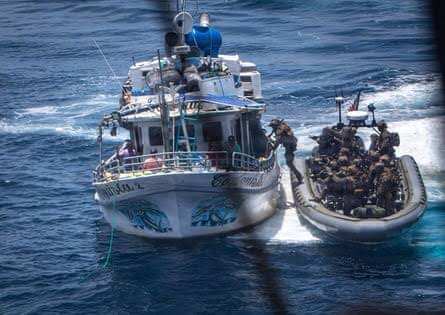
- Pentagon reports at least 140 U.S. personnel wounded; maritime incidents reported near UAE.
News Intelligence
- This situation could affect gas prices. If Iran blocks the Strait of Hormuz, oil supply could drop. That might make gas more expensive here. Keep an eye on your local gas prices.
Coverage of Story:
From Left
No left-leaning sources found for this story.
From Center
U.S.-Iran Clash After Supreme Leader Succession, Regional Strikes
The Hans India Oman Observer Economic TimesFrom Right
Trump warns Iran of massive retaliation over Strait of Hormuz
thesun.my KRCR Social News XYZ


Comments