U.S. CPI Rises 0.3% in February; March Risks Grow
PUBLISHED Mar 11, 2026, 1:39 AM ET
Read, Watch or Listen
WASHINGTON, U.S. consumer prices rose modestly in February as the Labor Department reported a 0.3% monthly CPI increase and 2.4% year-over-year inflation, with core CPI up 0.2% monthly and 2.5% annually. Economists surveyed by FactSet had forecast similar readings but warned that oil price shocks linked to the late-February Iran conflict and disrupted Persian Gulf shipping will likely push inflation higher in March and subsequent months. Federal Reserve officials expect to monitor developments while holding policy steady near current rates for now. Gasoline price jumps and volatile markets could slow consumer spending. Based on 6 articles reviewed and supporting research.
By Neha R. | JQJO News
Timeline of Events
- January: Labor Department reports CPI rose 0.2% month-over-month.
- February: Labor Department reports CPI rose 0.3% month-over-month; annual CPI 2.4%; core annual 2.5%.
- Feb 28: Conflict involving Iran escalates, disrupting Persian Gulf shipping lanes.
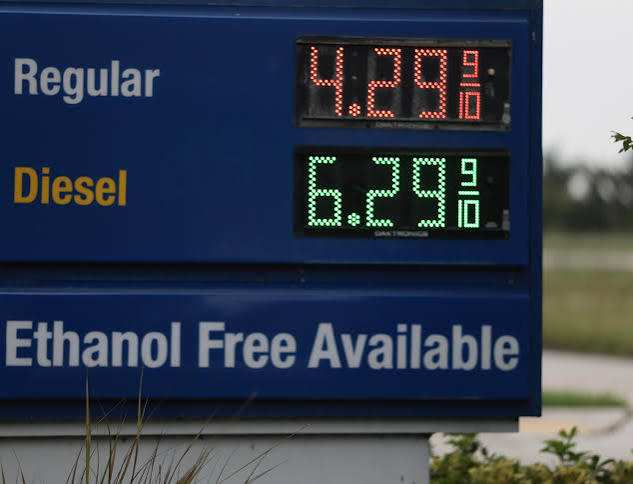
- Early March: Oil and gasoline prices spike; AAA reports national averages above prior levels.
- March 11: Media report February CPI release and economists warn of higher March inflation readings.
News Intelligence
- Rising inflation can affect your wallet. It means the cost of goods and services is going up. If you're planning big purchases, you might want to act sooner. Keep an eye on gas prices, too. They're expected to rise.
Coverage of Story:
From Left
No left-leaning sources found for this story.
From Center
U.S. CPI Rises 0.3% in February; March Risks Grow
Yahoo! Finance KTAR News Jefferson City News Tribune WKMG FinanzNachrichten.de FinanzNachrichten.de FinanzNachrichten.deFrom Right
No right-leaning sources found for this story.






Comments