Total Lunar Eclipse Reddened Moon Across Americas Tuesday
PUBLISHED Mar 1, 2026, 2:37 PM ET
Read, Watch or Listen
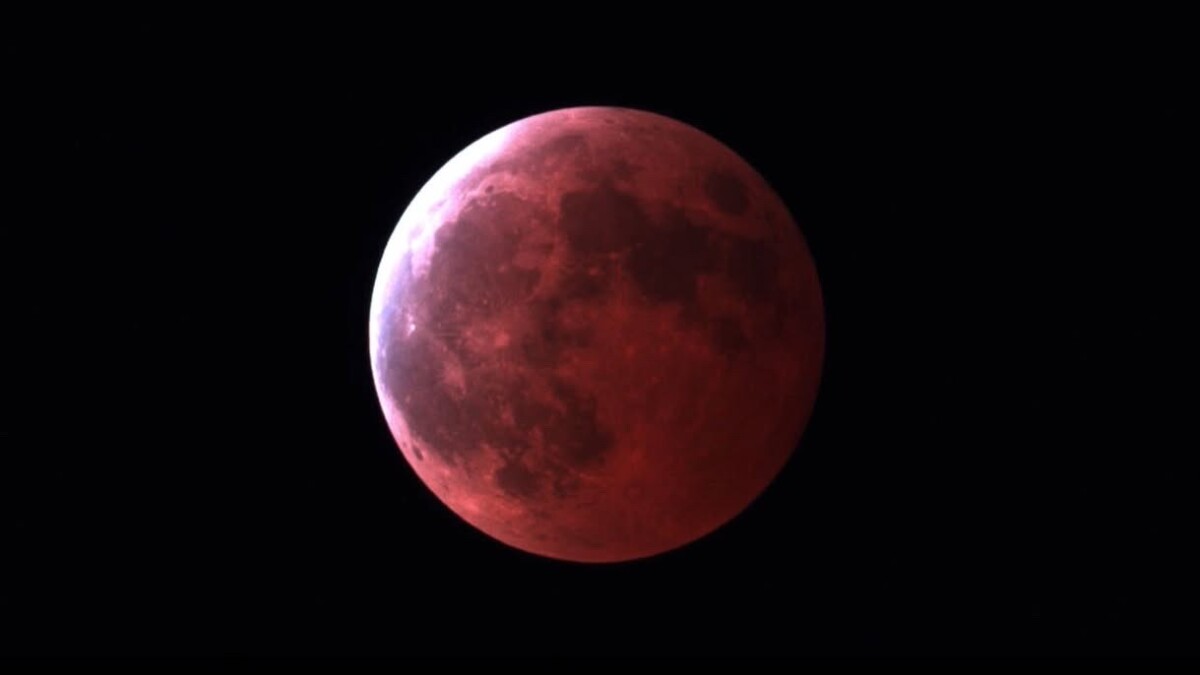
United States — A total lunar eclipse reddened the Moon early Tuesday, March 3, 2026, with totality beginning in Eastern time zones at about 6:04 a.m. local time. Observers across North and Central America saw varying visibility: western U.S. experienced the full eclipse, while eastern regions faced moonset and sunrise that limited viewing. Central Florida and Palm Beach County reported totality lasting 45 minutes before moonset near sunrise. Cloud cover and horizon obstructions reduced chances in the Carolinas and parts of Connecticut. Scientists explained the red color as atmospheric scattering of sunlight. Based on 6 articles reviewed and supporting research today.
By Sidra | JQJO News
Timeline of Events
- March 2025: Prior 'blood moon' noted in local coverage.
- Late February 2026: Stations publish eclipse viewing times and weather forecasts.
- March 3, 2026 early morning: Partial eclipse begins; totality commences ~6:04 a.m. ET.
- March 3, 2026 ~6:34 a.m. ET: Maximum eclipse reported in several local bulletins.
- March 3, 2026 ~6:44–7:03 a.m. ET: Moonset and sunrise end visibility across eastern regions.
News Intelligence
- This lunar event is a reminder of the wonders of our universe. It's a free, natural spectacle for early risers or night owls. If you missed it, check local news for photos and reactions.
Coverage of Story:
From Left
No left-leaning sources found for this story.
From Center
Total Lunar Eclipse Reddened Moon Across Americas Tuesday
WPTV News 4 Jax WKMG WCCB Charlotte's CW News 4 Jax WFSB News 4 Jax WPDEFrom Right
No right-leaning sources found for this story.


Comments