North America Wakes for March Total Lunar Eclipse
PUBLISHED Mar 2, 2026, 2:24 PM ET
Read, Watch or Listen
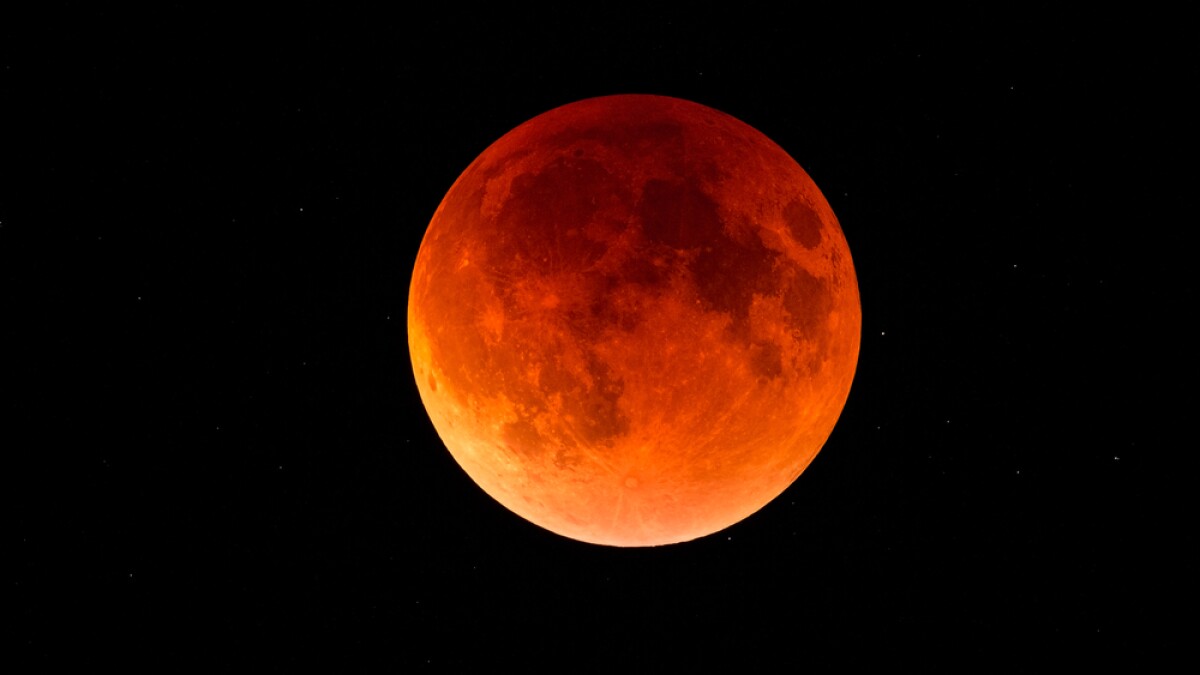
Knoxville, Tennessee — Early Tuesday morning, skywatchers across North America observed a total lunar eclipse that turned the moon red as it passed through Earth's umbra. Local stations and observatories published viewing windows and safety guidance; some hosted public events while meteorologists warned that cloud cover and low western horizons could limit views. Timing varied by time zone, with totality lasting up to about an hour in some locations; no special eyewear was required. Institutions recommended unobstructed western views or higher elevations for best results. Based on 6 articles reviewed and supporting research.
By Ayesha A. | JQJO News
Timeline of Events
- NASA and astronomical calendars predict the March 3, 2026 total lunar eclipse and publish technical timing.
- Local news outlets release viewing windows and safety guidance in the days before the event.
- Colleges and observatories (e.g., Westmont) organize public viewing events and prepare equipment.
- Weather forecasts issued the day prior indicate clouds that may obstruct western horizon views in several regions.
- The eclipse occurs early Tuesday morning with recorded totality times varying locally; follow-up reports note visibility variations and next similar event in 2029.
News Intelligence
- This lunar eclipse is a free, natural spectacle. It's a chance to marvel at our universe without leaving your backyard. For the best view, find a spot with a clear western horizon. No special equipment needed. Just your eyes and maybe a warm blanket.
Coverage of Story:
From Left
No left-leaning sources found for this story.
From Center
North America Wakes for March Total Lunar Eclipse
KOAA KX NEWS abc15 Arizona https://www.atlantanewsfirst.com NewsChannel 3-12 https://www.wvlt.tv News 4 Jax WFSB WATE 6 On Your Side News 4 Jax https://www.kktv.comFrom Right
No right-leaning sources found for this story.




Comments