Washington: Khamenei's Death Spurs Global and Iranian Reactions
Tap title to read story
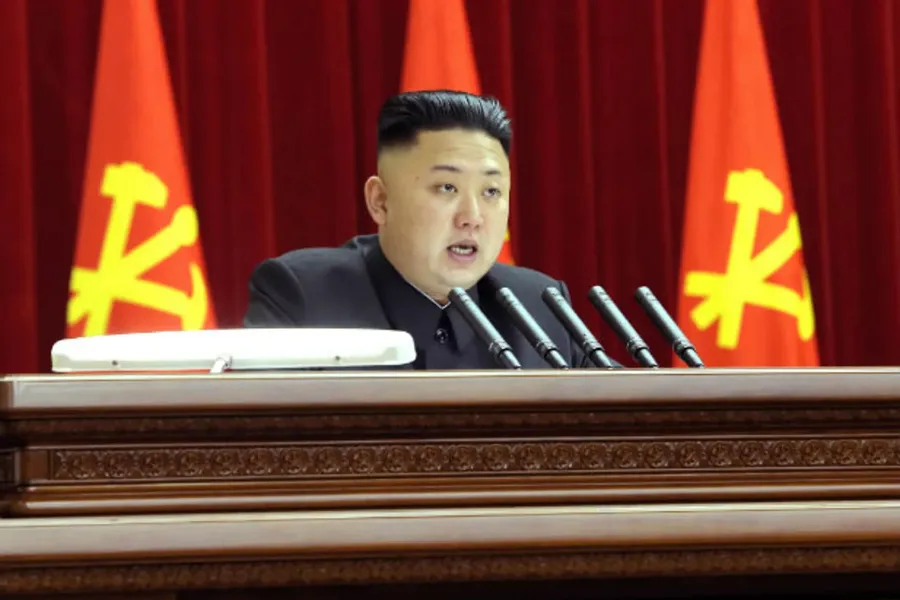
Washington — U.S. and Israeli forces struck targets in Iran on Saturday, killing Supreme Leader Ayatollah Ali Khamenei, officials said. Across the United States and worldwide, Iranian diaspora communities reported celebrations, cautious hope, and concern for relatives still in Iran. Exiled claimant Reza Pahlavi called for nightly protests, urged regime officials to surrender, and praised U.S. action in interviews and opinion pieces. Local reporters documented public gatherings in St. Louis and elsewhere, and agencies cited Pahlavi’s statements on social media and television. Governments and monitors continue to verify details and civilian impact. Based on 6 articles reviewed and supporting research.
More context
Timeline
- 1. March 1, 2026: U.S. and Israeli forces conduct joint strikes on Iran amid rising tensions.
- 2. March 1–2, 2026: Multiple outlets report that Ayatollah Ali Khamenei was killed in an airstrike.
- 3. March 1–2, 2026: Reza Pahlavi issues calls for nightly protests and urges regime officials to surrender.
- 4. March 1–2, 2026: Iranian diaspora communities in U.S. cities gather, displaying mixed emotions and concern for relatives.
- 5. March 2, 2026 onward: Governments, monitors, and media continue verification and assess humanitarian and security impacts.
Why it matters
The death of Ayatollah Khamenei could shift global politics and security. If you have family in Iran or are part of the Iranian diaspora, this impacts you directly. Stay informed. Check reliable news sources regularly.
Sources
JQJO Editorial Desk · Human reviewed · AI assisted. Report a correction.