Officials Report Progress After Potomac Sewage Spill
PUBLISHED Feb 25, 2026, 5:57 AM ET
Read, Watch or Listen
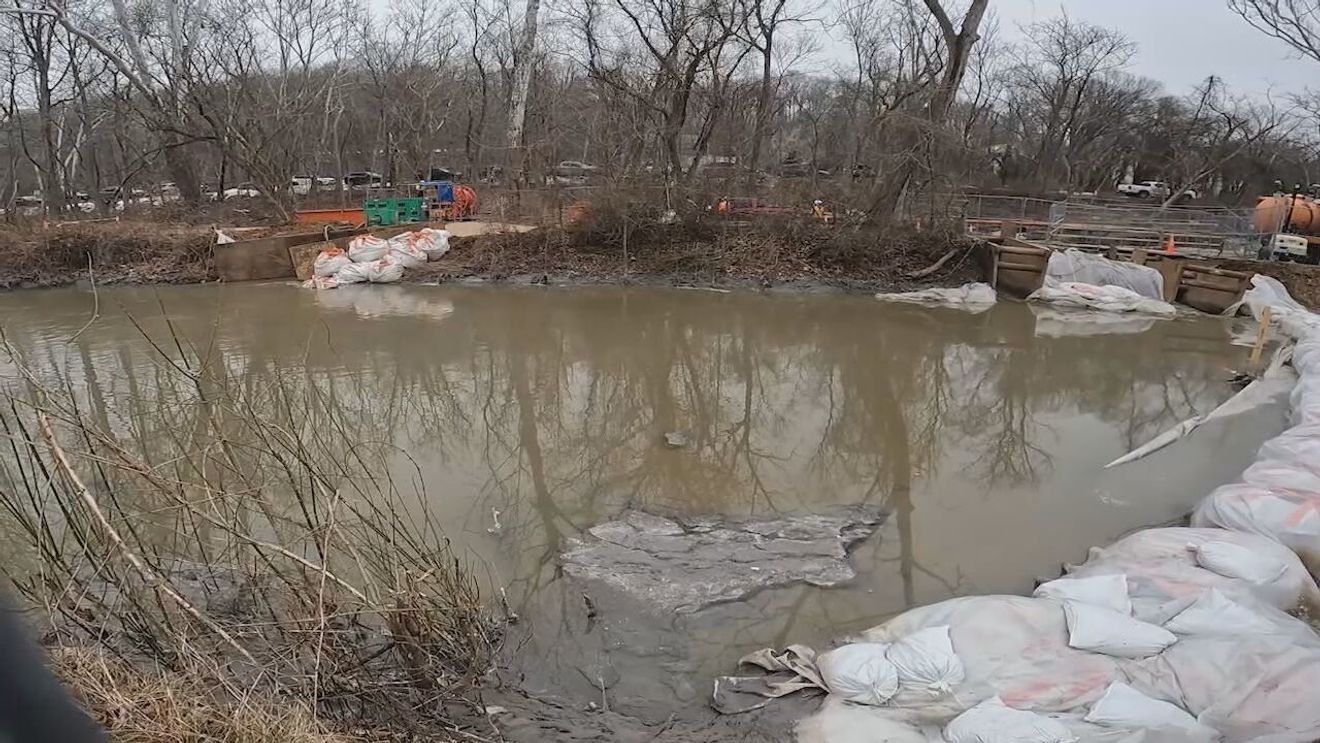
Washington, D.C. officials reported progress this week on cleanup, repairs and ongoing public health monitoring after a Jan. 19 Potomac Interceptor collapse released millions of gallons of sewage into the Potomac River. DC Water installed a temporary bypass, halted overflows for more than two weeks, and began emergency pipe replacement with completion targeted by mid‑March. D.C. Health and Maryland regulators described improving water‑quality tests; D.C. advisers plan to lift boating and fishing restrictions on March 2 while Maryland will reopen shellfish harvesting March 10. Regional lawmakers requested federal funding for infrastructure rehabilitation. Based on 6 articles reviewed and supporting research.
By Yusra M. | JQJO News
Timeline of Events
- Jan. 19: Potomac Interceptor collapses, releasing millions of gallons of sewage.
- Late Jan: Health advisories and partial shellfish closures issued downstream.
- Mid Feb: DC Water installs temporary bypass; overflows reportedly stop for weeks.
- Feb. 24: Regional representatives send letter requesting federal funding for repairs.
- Early Mar: D.C. plans to lift boating advisories March 2; Maryland to reopen shellfish March 10.
News Intelligence
- This sewage spill impacts your community's health and environment. If you're in the D.C. area, you may have been affected by water activity restrictions. The situation also highlights the importance of infrastructure maintenance. Keep an eye on local updates.




Comments