US Implements Temporary Tariffs After Supreme Court Rebuke
PUBLISHED Feb 24, 2026, 1:25 AM ET
Read, Watch or Listen
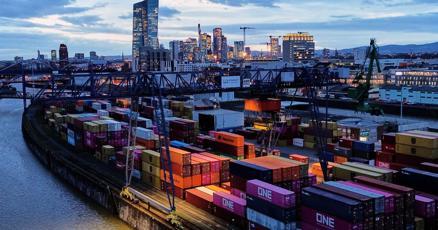
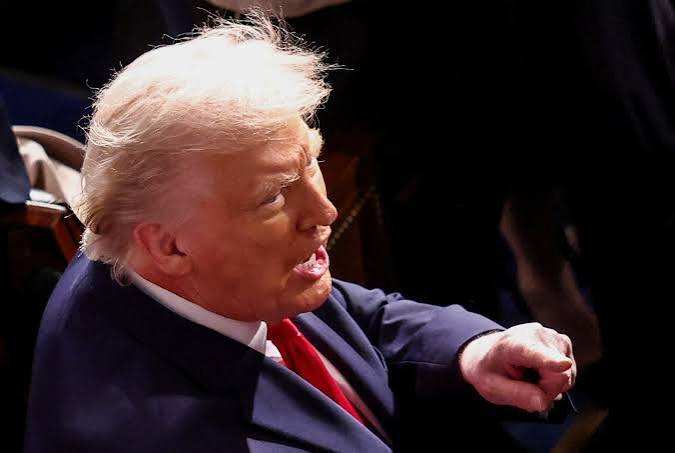
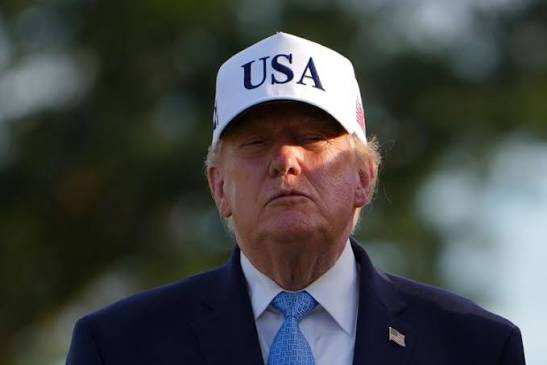
Washington — The Supreme Court struck down emergency tariffs President Trump imposed, finding he exceeded his authority. After Friday's ruling, the White House announced a temporary 10% global tariff that took effect Tuesday and lasts 150 days unless Congress extends it. Trump said he may raise the rate to 15% and keep exclusions for sector probes and USMCA goods. Sector-specific tariffs on steel and autos remain. The decision prompted legal questions about refunds and business uncertainty, and Trump criticized the justices during his State of the Union, and markets sought guidance urgently. Based on 6 articles reviewed and supporting research.
By Najma A. | JQJO News
Timeline of Events
- Supreme Court issues a decision striking down broad emergency tariffs.
- President Trump criticizes the ruling publicly and during the State of the Union.
- White House announces a new temporary 10% global tariff under a different statute.
- The 10% tariff takes effect Tuesday and is set to expire after 150 days.
- Administration signals potential increase to 15%, while legal and refund disputes emerge.
News Intelligence
- This tariff change could affect your wallet. Imported goods might cost more. It could also impact jobs in industries like steel and autos. Keep an eye on prices and job news in your area.
Coverage of Story:
From Left
No left-leaning sources found for this story.
From Center
US Implements Temporary Tariffs After Supreme Court Rebuke
Owensboro Messenger-Inquirer CNA WAOW The Philadelphia Inquirer Saudi Gazette



Comments