Washington: US and Bangladesh Sign Reciprocal Trade Pact
Tap title to read story
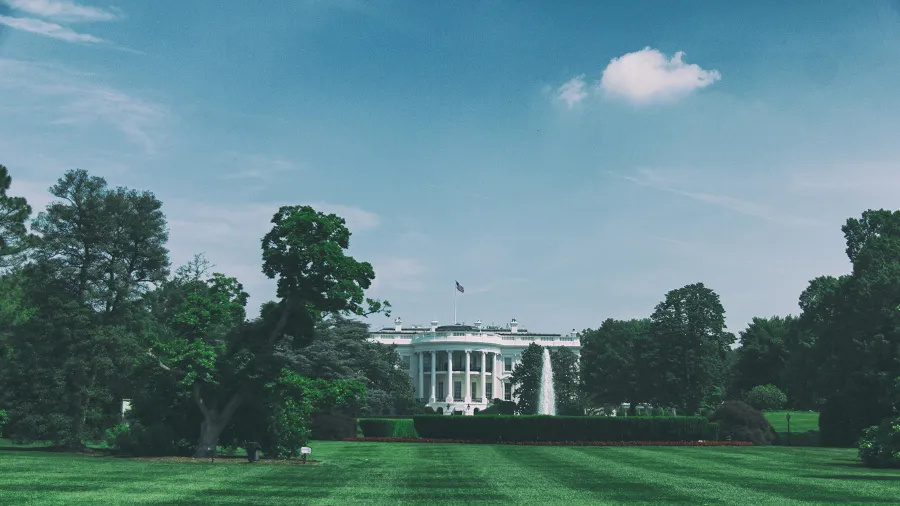
Washington: The United States and Bangladesh signed the Agreement on Reciprocal Trade Monday, aiming to strengthen bilateral economic ties. The pact reduces U.S. reciprocal tariffs on Bangladeshi goods from 20 percent to 19 percent, and establishes a mechanism to consider zero reciprocal tariffs for certain textile and apparel items. Bangladesh committed to provide preferential market access for U.S. industrial and agricultural products, including chemicals, machinery, medical devices, energy products, soy, dairy, poultry, beef, tree nuts and fruit. U.S. Trade Representative Jamieson Greer and Bangladesh adviser Sheikh Bashir Uddin signed the accord officially. Based on 6 articles reviewed and supporting research.
More context
Timeline
- 1. 2013: U.S.-Bangladesh TIFCA established initial trade cooperation framework.
- 2. 2024: Reporting indicates a student-led revolution that affected Bangladesh's government and export sectors.
- 3. 2 April 2025: Executive Order 14257 established the framework cited for reciprocal tariffs.
- 4. August (year reported): U.S. reduced Bangladesh reciprocal tariff rate to 20 percent from higher earlier levels.
- 5. 10 February (reported): U.S. and Bangladesh signed the Agreement on Reciprocal Trade, setting tariff at 19 percent.
Sources
JQJO Editorial Desk · Human reviewed · AI assisted. Report a correction.