Theme:
Light Dark Auto
GeneralTop StoriesPoliticsBusinessEconomyTechnologyInternationalEnvironmentScienceSportsHealthEducationEntertainmentLifestyleCultureCrime & LawTravel & TourismFood & RecipesFact CheckReligion
POLITICS
Negative Sentiment

Trump Calls Leadership Change; US Diaspora Protests Iran

Watch & Listen in 60 Seconds

Trump Calls Leadership Change; US Diaspora Protests Iran
Media Bias Meter
Sources: 7
Center 100%
Sources: 7

60-Second Summary

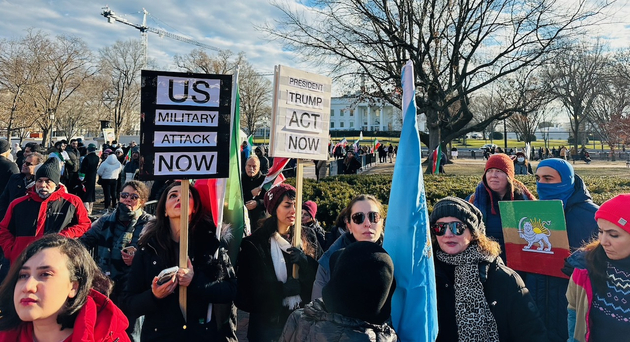
United States. President Donald Trump publicly called for new leadership in Iran on Jan. 18, accusing Supreme Leader Ayatollah Ali Khamenei of responsibility for mass killings, after Khamenei accused the United States of fomenting unrest. Iranian security forces imposed an internet blackout and a violent crackdown that activists say dispersed protesters. Diaspora demonstrations on Jan. 18–19 drew thousands in Los Angeles and hundreds in New York condemning Tehran's actions, with reports of civilian deaths. Journalists, activists, and U.S. officials provided statements and eyewitness accounts. International rights groups also reported and corroborated casualties. Based on 6 articles reviewed and supporting research.

About this summary

This 60-second summary was prepared by the JQJO editorial team after reviewing 6 original reports from KyivPost, Asian News International (ANI), ABC7 New York, Bangkok Post, The Straits Times and Bangladesh Sangbad Sangstha (BSS).

Timeline of Events

  • Late December 2025: Protests begin in Iran over inflation and economic hardship.
  • Early January 2026: Demonstrations spread nationwide and become more explicitly anti-government.
  • Early–mid January 2026: Iranian authorities deploy security forces and impose internet blackout.
  • Jan. 18, 2026: President Trump calls for new leadership in Iran after Khamenei remarks.
  • Jan. 18–19, 2026: Thousands march in Los Angeles and hundreds protest in New York.
Media Bias
Articles Published:
6
Right Leaning:
0
Left Leaning:
0
Neutral:
6

Who Benefited

International human-rights organizations and diaspora advocacy groups gained broader public attention and diplomatic leverage as large U.S.-based demonstrations and public statements from officials highlighted alleged abuses in Iran, increasing pressure for international monitoring and potential sanctions.

Who Impacted

Iranian civilians, protesters, and diaspora families suffered casualties, restricted communications during internet blackouts, and heightened personal risk; local communities faced trauma, disrupted services, and curtailed civil liberties amid an intensified security response.

Media Bias
Articles Published:
6
Right Leaning:
0
Left Leaning:
0
Neutral:
6
Distribution:
Left 0%, Center 100%, Right 0%
Who Benefited

International human-rights organizations and diaspora advocacy groups gained broader public attention and diplomatic leverage as large U.S.-based demonstrations and public statements from officials highlighted alleged abuses in Iran, increasing pressure for international monitoring and potential sanctions.

Who Impacted

Iranian civilians, protesters, and diaspora families suffered casualties, restricted communications during internet blackouts, and heightened personal risk; local communities faced trauma, disrupted services, and curtailed civil liberties amid an intensified security response.

Coverage of Story:

From Left

No left-leaning sources found for this story.
From Right

No right-leaning sources found for this story.
Related News

Comments

JQJO App
Get JQJO App
Read news faster on our app
GET