POLITICS
Neutral Sentiment

U.S. Shifts Security Focus to Western Hemisphere Strategy

Media Bias Meter
Sources: 6
Left 17%
Center 67%
Rigt 17%
Sources: 6

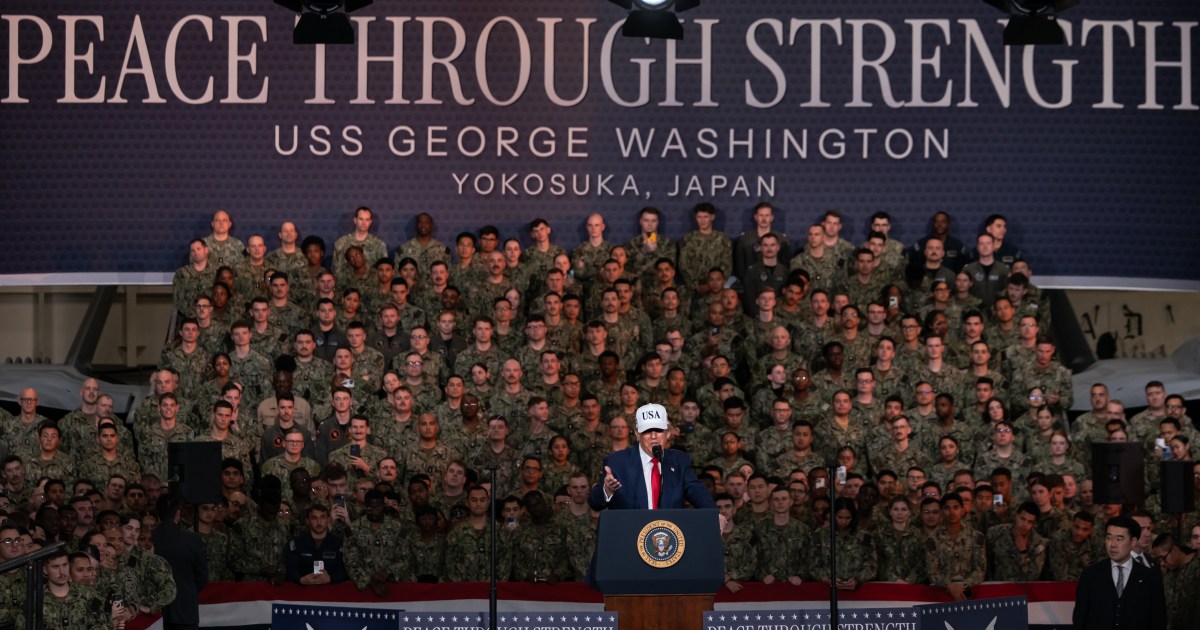
Washington — The Trump administration released a National Security Strategy this week that reorients U.S. priorities toward the Western Hemisphere, calling to restore American preeminence and reinforce a modern Monroe Doctrine. The document urges expanded Navy and Coast Guard presence, more aggressive operations against drug trafficking including maritime and planned land strikes, and focus on balancing trade with China while deterring threats to Taiwan. Separately, U.S. defense sales and regional security incidents were reported, including a DSCA approval for over 600 SDB‑I munitions and cross‑border violence in Kandahar's Spin Boldak on Dec. 6. Based on 6 articles reviewed and supporting research.

Timeline

  • Early December 2025: White House releases NSS 2025 prioritizing the Western Hemisphere.
  • Immediately after release: U.S. officials outline Monroe Doctrine revival and 'nation‑state' emphasis.
  • Media reports detail proposals for expanded Navy and Coast Guard deployments.
  • Dec 6, 2025: DSCA approves potential sale of 600+ GBU‑39/B SDB‑I munitions (~$112M) to South Korea.
  • Dec 6, 2025: TOLO/UNI report Pakistani forces fired at Spin Boldak, killing four Afghan civilians.
Media Bias
Articles Published:
6
Right Leaning:
1
Left Leaning:
1
Neutral:
4
Who Benefited

U.S. military services and defense contractors stand to gain from increased procurement, deployments, and operational authorities outlined in the strategy, while the administration aims to consolidate regional influence and control over key maritime and transit routes.

Who Suffered

Smaller regional governments, opposition groups, and civilians in contested border and maritime zones may face intensified security operations, pressure from U.S. enforcement actions, and increased risk of displacement or escalation tied to heightened military presence.

Expert Opinion

After reading and researching latest news.... The National Security Strategy refocuses U.S. resources toward the hemisphere, endorses increased maritime and coast guard presence, signals tougher counter‑drug operations including land strikes, and pairs economic competition with China alongside deterrence for Taiwan; defense sales and regional skirmishes were reported concurrently this week.

Media Bias
Articles Published:
6
Right Leaning:
1
Left Leaning:
1
Neutral:
4
Distribution:
Left 17%, Center 67%, Right 17%
Who Benefited

U.S. military services and defense contractors stand to gain from increased procurement, deployments, and operational authorities outlined in the strategy, while the administration aims to consolidate regional influence and control over key maritime and transit routes.

Who Suffered

Smaller regional governments, opposition groups, and civilians in contested border and maritime zones may face intensified security operations, pressure from U.S. enforcement actions, and increased risk of displacement or escalation tied to heightened military presence.

Expert Opinion

After reading and researching latest news.... The National Security Strategy refocuses U.S. resources toward the hemisphere, endorses increased maritime and coast guard presence, signals tougher counter‑drug operations including land strikes, and pairs economic competition with China alongside deterrence for Taiwan; defense sales and regional skirmishes were reported concurrently this week.

Coverage of Story:

From Left

United States Security Strategy 2025: Implications for Cuba's Regime

Cuba Headlines Digital Edition
From Right

In new national security memo, Trump seeks to revive Monroe Doctrine

WKEF

Related News

Comments

JQJO App
Get JQJO App
Read news faster on our app
GET