Ohio Senator Proposes Ending Dual Citizenship for Americans
Read, Watch or Listen
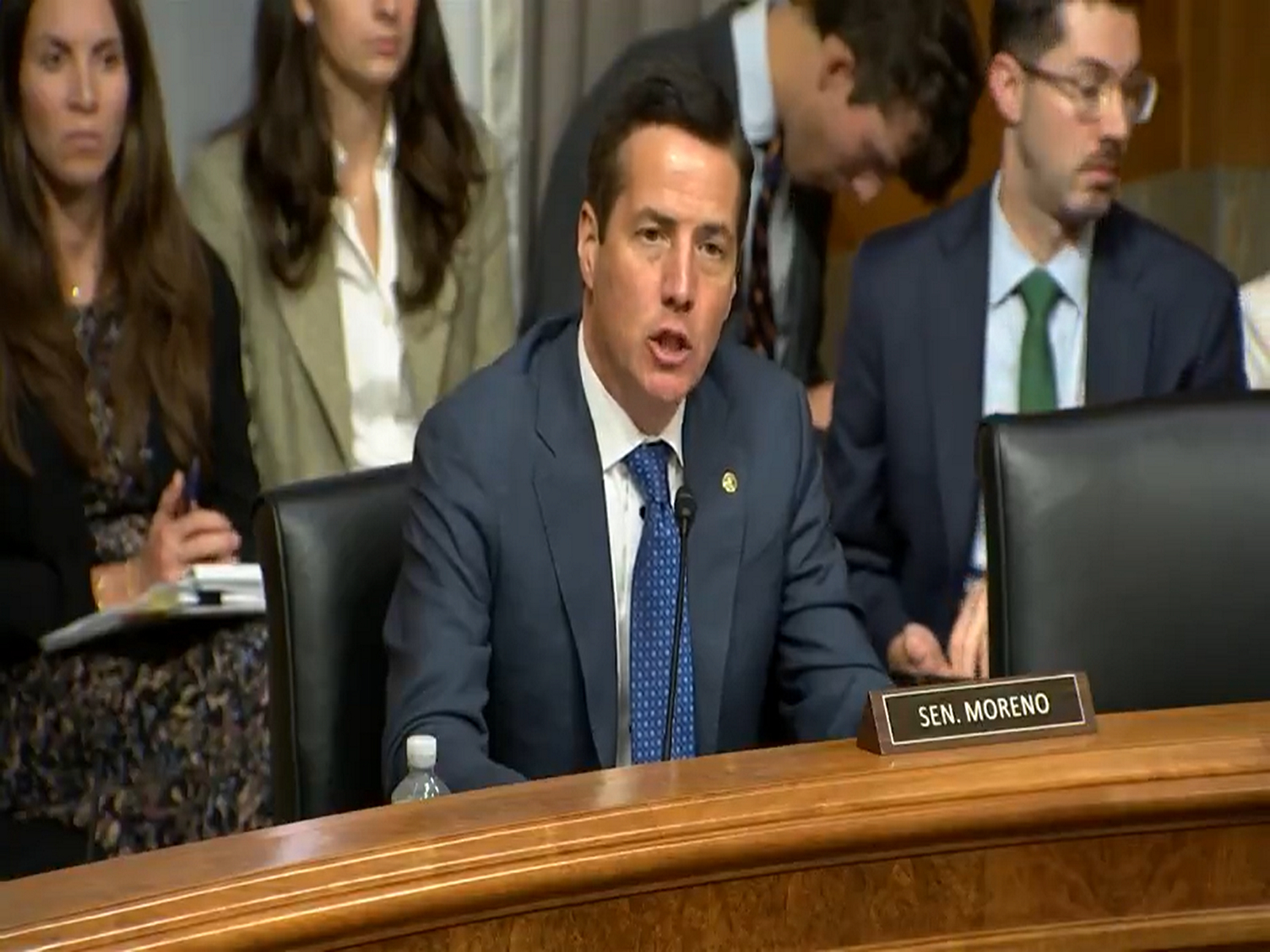
Washington — Republican Sen. Bernie Moreno of Ohio introduced legislation this week on Capitol Hill to prohibit dual citizenship in the United States. The Exclusive Citizenship Act of 2025 would require citizens holding foreign nationality to renounce the other citizenship or relinquish U.S. citizenship, with noncompliance treated as voluntary relinquishment under immigration law. The bill sets procedures for written renunciations and directs the State Department to implement verification and recordkeeping. Moreno cited his own renunciation of Colombian citizenship and argued allegiance should be undivided. Critics including dual- and triple-citizens warn of unintended consequences. Based on 11 articles reviewed and supporting research.
Prepared by Lauren Mitchell and reviewed by editorial team.
Timeline of Events
- Moreno emigrated from Colombia as a child and became a U.S. citizen at 18, renouncing Colombian citizenship.
- Sen. Moreno announced and introduced the Exclusive Citizenship Act of 2025 (reported Dec. 2–3, 2025).
- Bill text requires written renunciations and sets one-year compliance deadlines after enactment; noncompliance treated per INA §349(a).
- Multiple news outlets published reports, quoting Moreno and recording critical responses from dual/triple citizens and experts.
- Legal analysts and advocacy groups signaled potential constitutional, administrative, and personal impacts for affected individuals.
- Articles Published:
- 11
- Right Leaning:
- 0
- Left Leaning:
- 1
- Neutral:
- 10
- Distribution:
- Left 9%, Center 91%, Right 0%
Proponents of exclusive national allegiance and national security advocates gained a policy framing that emphasizes undivided loyalty, potentially strengthening their political position and advocacy for more restrictive citizenship or immigration policies.
Dual citizens, immigrant communities and families faced uncertainty, administrative burdens, possible loss of citizenship rights, and increased legal vulnerability if required to renounce one nationality under the proposed law.
Coverage of Story:
From Left
Ask yourself why Sen. Bernie Moreno really wants to abolish dual citizenship: Today in Ohio
ClevelandFrom Center
Ohio Senator Proposes Ending Dual Citizenship for Americans
Asian News International (ANI) News18 Times of Oman WDHN - wdhn.com The Hill Spectrum News Bay News 9 WEWS Denver 7 Colorado News (KMGH) WLWT5 AolFrom Right
No right-leaning sources found for this story.






Comments