SCIENCE
Rare Comet's Secret? See 3I/ATLAS's SHOCKING Discovery!
▪
Read, Watch or Listen
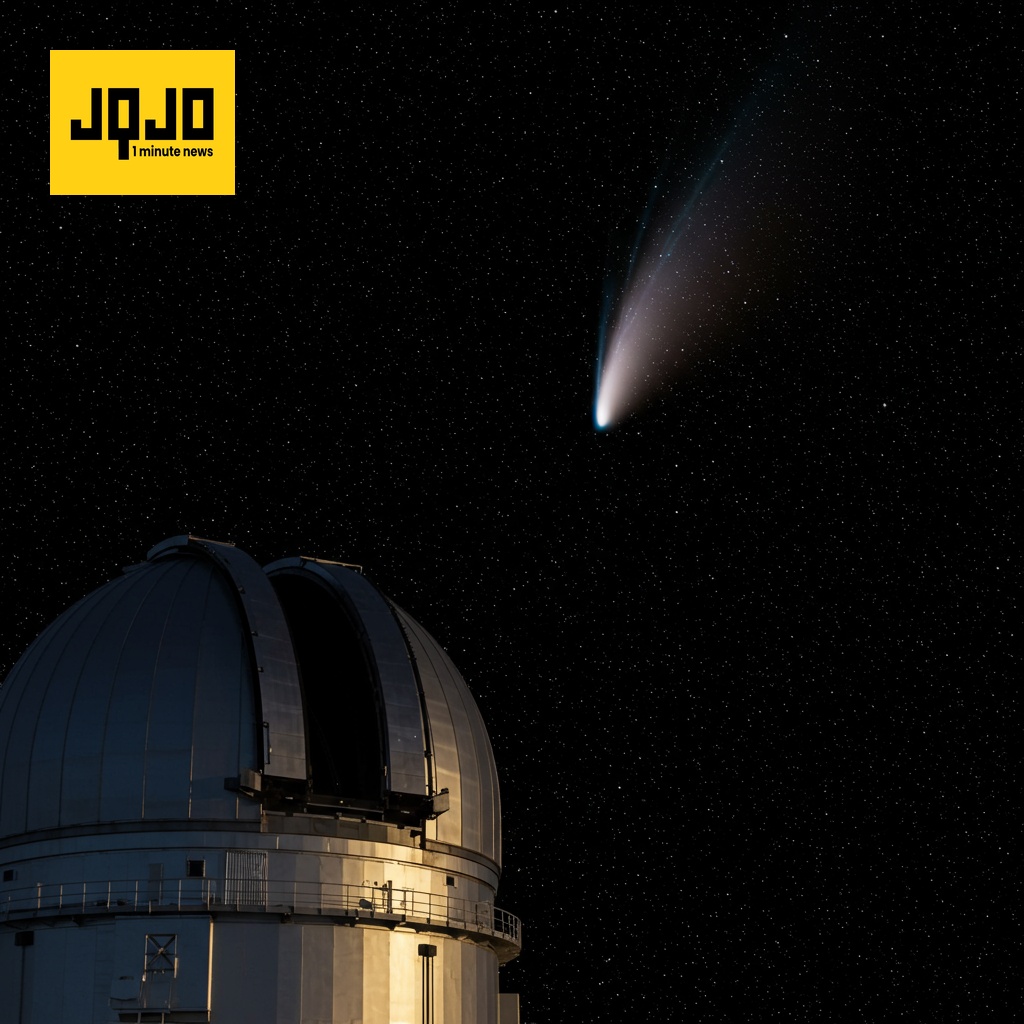
Interstellar comet 3I/ATLAS, the third of its kind discovered, is captivating astronomers. Scientists used the Gemini South Observatory's powerful telescopes, including GMOS and GHOST, to analyze its composition, revealing it's unusually rich in carbon dioxide, unlike its predecessor 2I/Borisov. The Hubble and James Webb telescopes also observed the comet, estimating its nucleus to be less than 1.86 miles across. Live webcast events, part of the Shadow the Scientists initiative, allowed the public to witness the analysis in real time. Future observations are planned once the comet emerges from behind the sun in November.
Prepared by Olivia Bennett and reviewed by editorial team.







Comments