SCIENCE
Dim Perseid Meteor Shower Peaks This Week
▪
Read, Watch or Listen
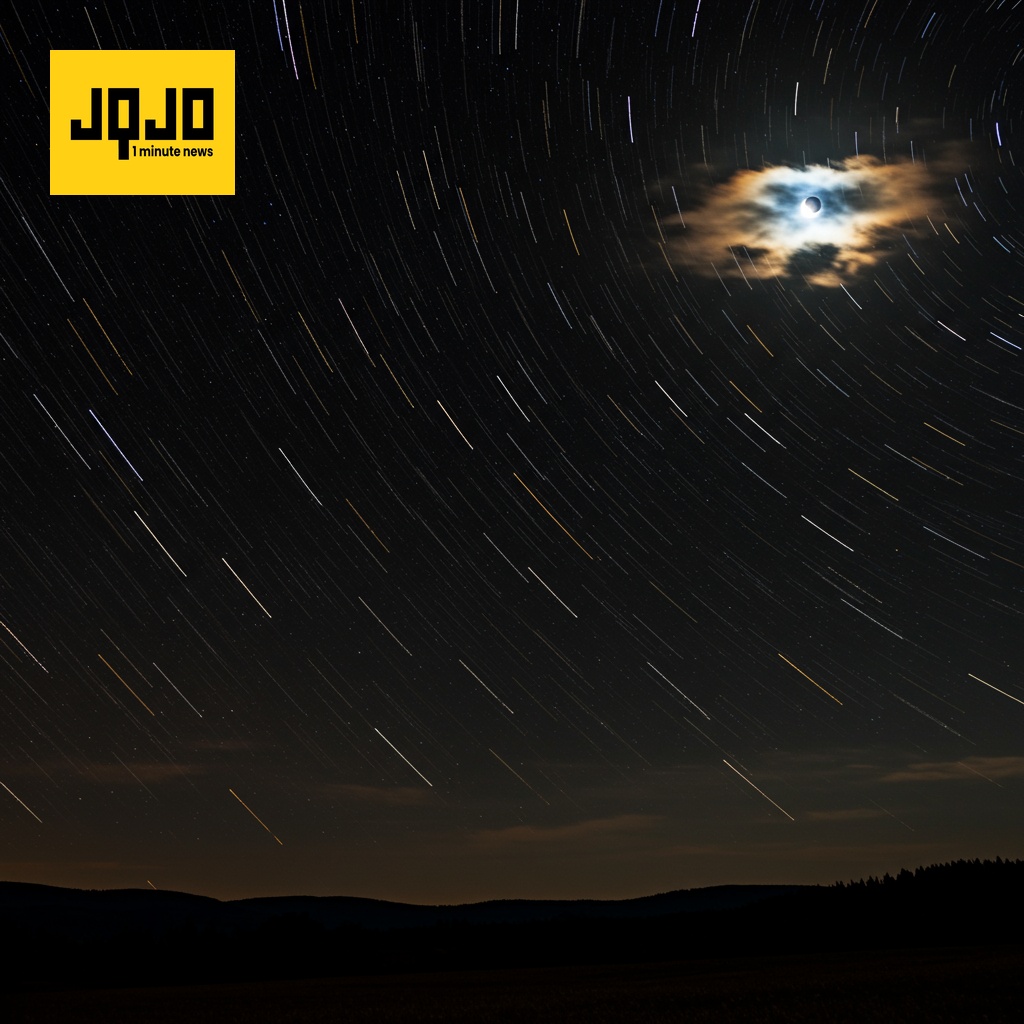
The Perseid meteor shower, peaking early Wednesday, will be less spectacular than usual due to a bright moon. Experts suggest viewing a week later for optimal viewing under darker skies. Under ideal conditions, the Perseids can produce 60-100 meteors per hour, but this year, skywatchers might only see 10-20. The shower originates from debris from comet 109P/Swift-Tuttle and lasts until August 23. The next major shower, the Orionids, peaks in late October.
Prepared by Olivia Bennett and reviewed by editorial team.







Comments